Your Comprehensive Gluten Free Restaurant Guide.
Article Structure
Embarking on a gluten-free journey can feel overwhelming, especially when dining out. Understanding gluten, a protein found in wheat, barley, and rye, is crucial. This gluten free restaurant guide will help you explore menus confidently, ensuring a safe and enjoyable dining experience. Whether you're managing celiac disease, gluten sensitivity, or simply choosing to avoid gluten for personal reasons, this guide aims to equip you with the knowledge and strategies necessary to enjoy meals outside your home without compromising your health.
Understanding Gluten and Its Impact
Gluten provides elasticity to dough, helping it rise and maintain its shape. For those with celiac disease or gluten sensitivity, consuming gluten can trigger adverse reactions. Symptoms may include digestive discomfort, headaches, and fatigue. A strict gluten-free diet is essential for managing these conditions. For instance, a case study involving a person with celiac disease showed significant health improvement after adhering to a gluten-free diet for three months, underscoring the importance of dietary vigilance.
Exploring Restaurant Menus
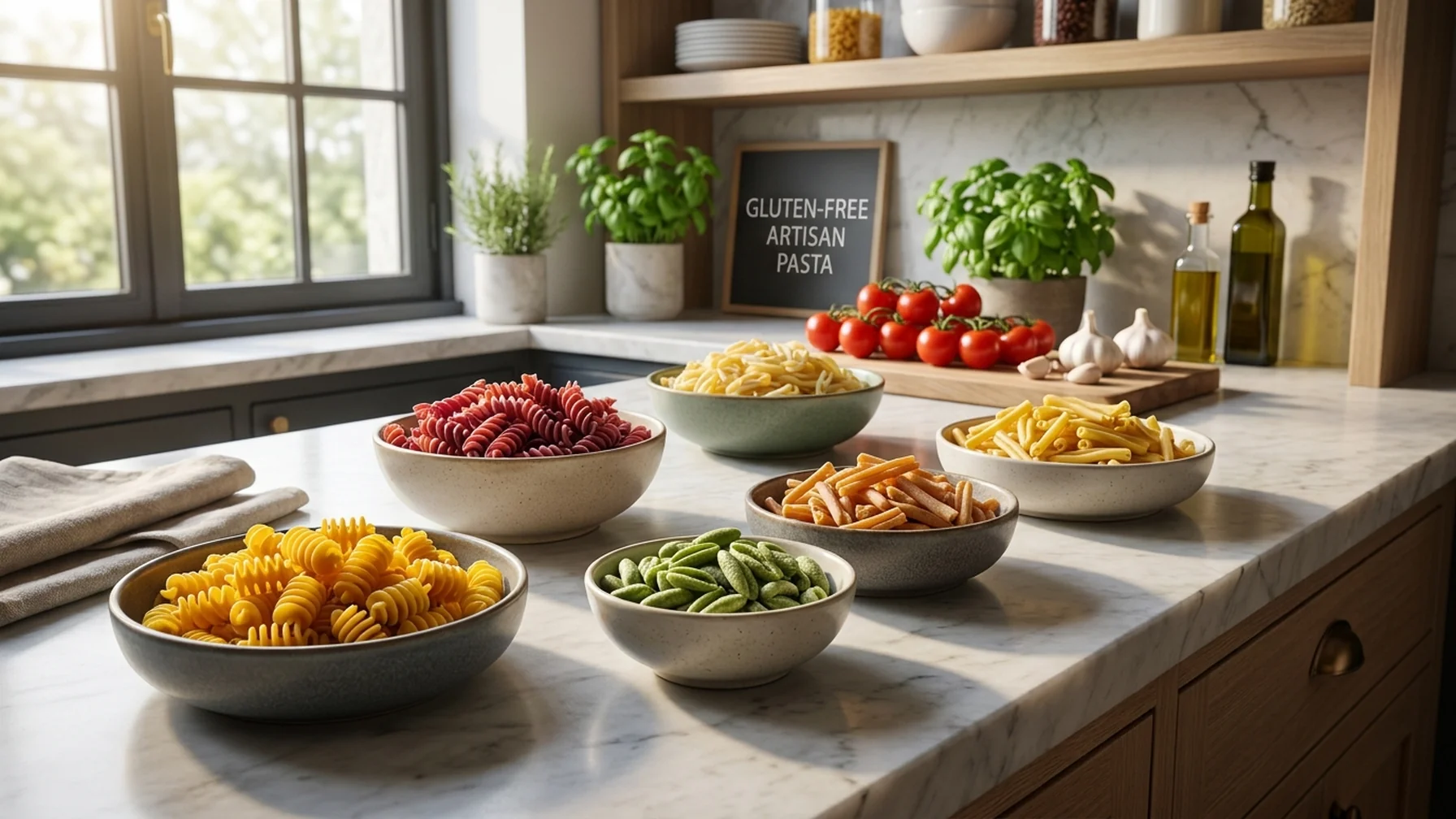
When dining out, checking menus for gluten-free choices is important. Look for dishes marked as gluten-free or ask the staff about alternative options. Many places now offer gluten-free bread and pasta, which increases your choices.
Here's a simple guide to help you with menu exploration:
| Tip | Description |
|---|---|
| Check Labels | Look for dishes specifically marked as gluten-free. |
| Ask Staff | Inquire about gluten-free alternatives directly from the staff. |
| Research Ahead | Call the restaurant in advance to confirm gluten-free options. |
By using these strategies, you can enjoy dining out without worry. Always remember, clear communication with the restaurant staff is key to a satisfying gluten-free dining experience.
What Does Gluten Free Mean?
Gluten-free foods do not contain wheat, barley, rye, or cross-contaminated derivatives. This includes substitutes like gluten-free bread and flour, which are made from ingredients such as rice, corn, or almond flour. Understanding these alternatives is key to maintaining a gluten-free lifestyle. A real-world example is the growing popularity of gluten-free pizzas made with cauliflower crusts, which are now offered by many pizzerias worldwide, catering to gluten-intolerant customers.
Foods to Avoid on a Gluten-Free Diet
Many common foods contain gluten. Here's a list of items to avoid:
- Breads and pastas made from wheat
- Baked goods with conventional flour
- Beer and malt beverages
- Processed foods with hidden gluten
By steering clear of these, you can significantly reduce your gluten intake. Consider the case of a restaurant-goer who unknowingly consumed a soy sauce-based dish, which led to gluten exposure due to the wheat content in traditional soy sauce. This highlights the importance of asking about ingredients and possible cross-contamination.
Safe Gluten-Free Foods
Fortunately, there are plenty of delicious gluten-free options available. Here are some safe choices:
- Fruits and vegetables
- Meat and poultry
- Fish and seafood
- Rice and quinoa
- Gluten-free oats (check for cross-contamination)
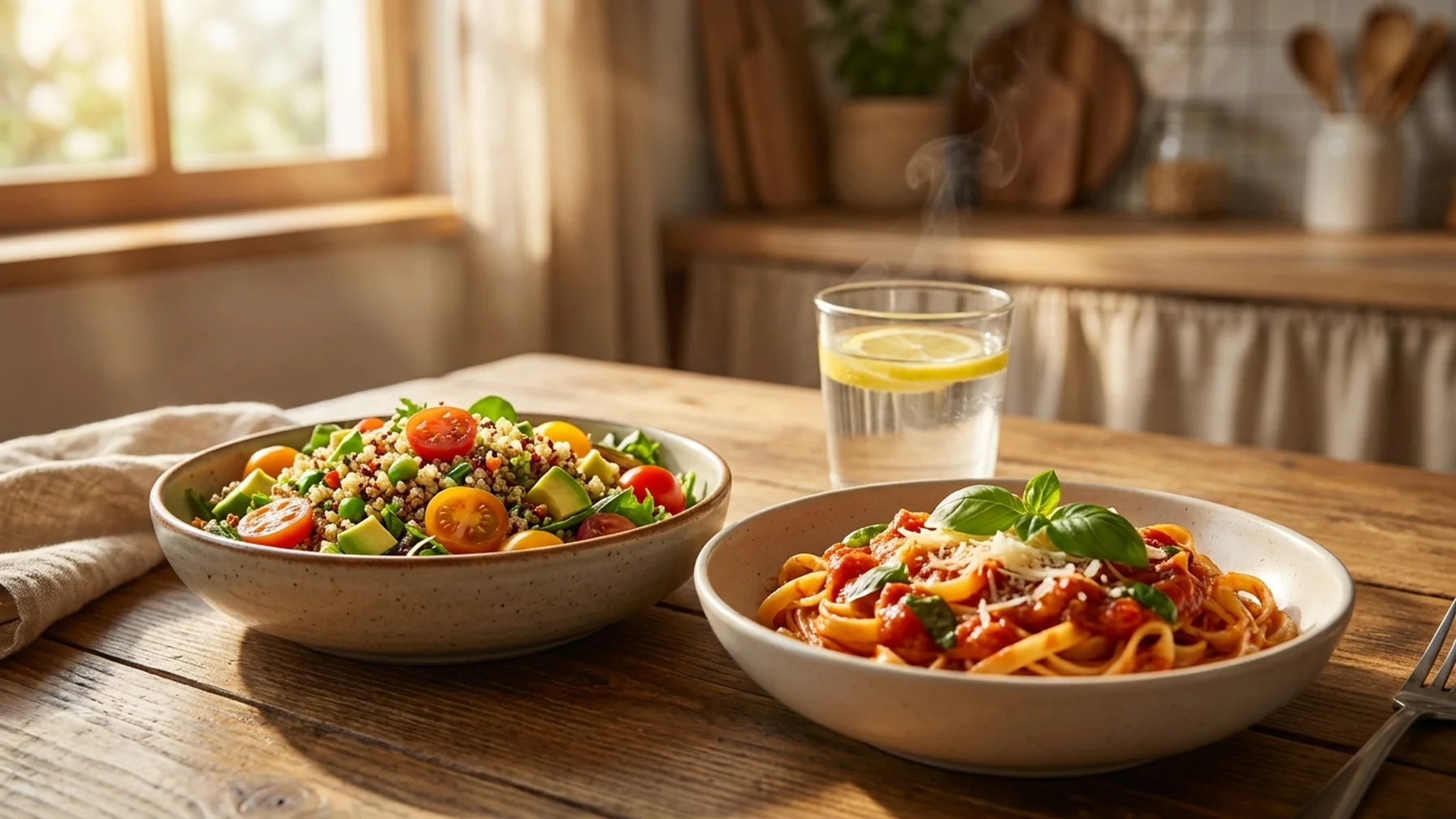
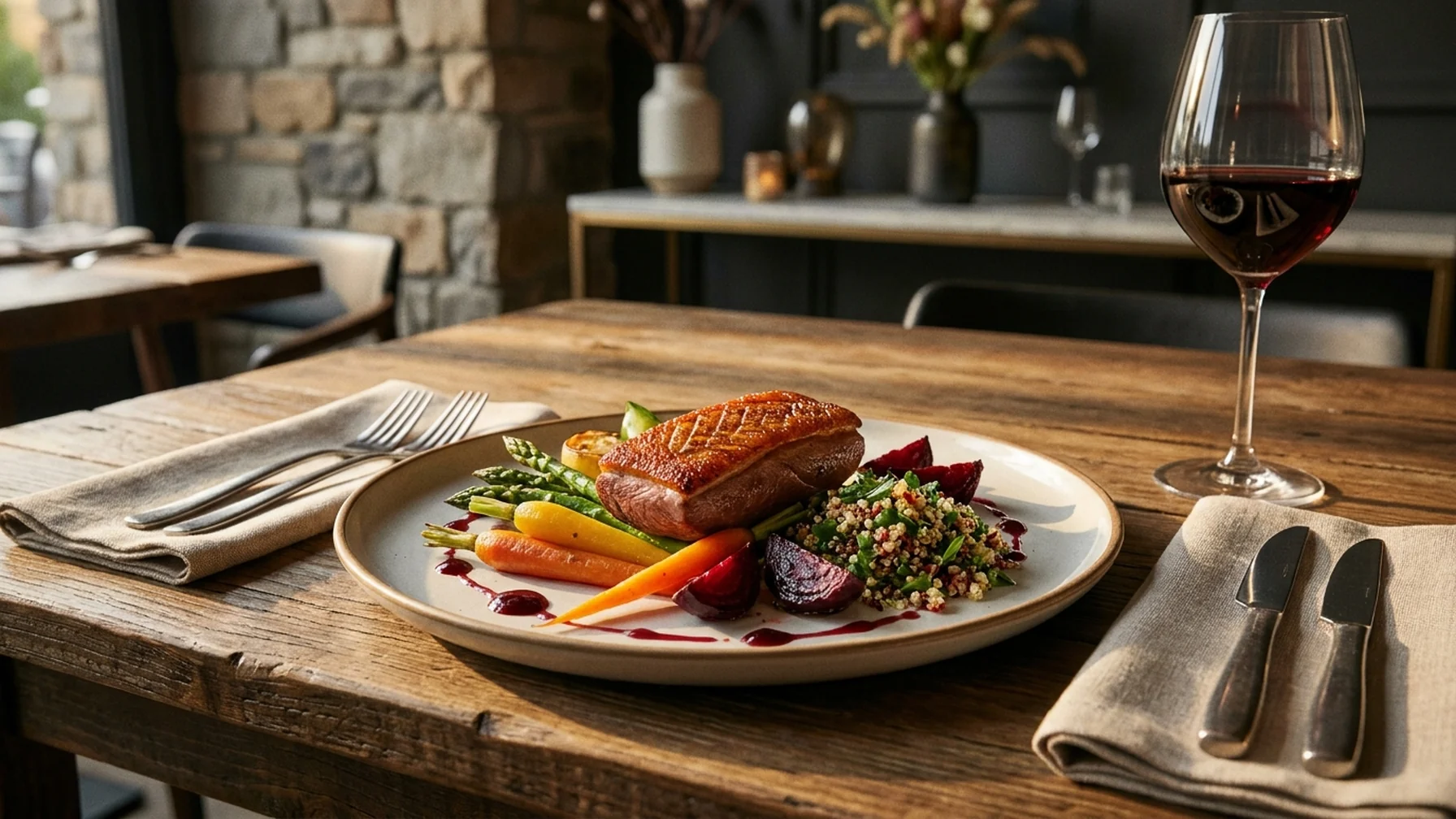
These staples can form the basis of a balanced, gluten-free diet. For example, a gluten-free customer dining at an international restaurant opted for grilled fish with a side of quinoa salad, ensuring a safe and satisfying meal.
Is Gluten-Free Healthy?
For those with gluten-related disorders, a gluten-free diet is necessary. However, for others, eliminating gluten without medical need might lead to nutritional deficiencies. It's important to ensure you're still getting essential nutrients from other sources. Nutritionists often recommend incorporating a variety of whole foods to compensate for the fiber and vitamins typically found in whole grains.
Gluten-Free Meal Ideas
Sticking to a gluten-free diet doesn't mean sacrificing flavor. Here are some meal ideas:
- Breakfast: Gluten-free pancakes or eggs with avocado
- Lunch: Quinoa salad with grilled chicken
- Dinner: Grilled salmon with roasted vegetables
- Dessert: Flourless chocolate cake
These meals are not only gluten-free but also delicious and satisfying. A chef in a renowned restaurant shared how they adapted traditional recipes to incorporate gluten-free ingredients, ensuring all patrons could enjoy their offerings without dietary concerns.
Creating a Gluten-Free Dining Experience
To ensure a successful dining experience, follow these steps:
- Research restaurants that offer gluten-free menus.
- Call ahead to confirm gluten-free options are available.
- Communicate clearly with the restaurant staff about your dietary needs.
- Verify that there is no cross-contamination in the kitchen.
- Choose dishes with naturally gluten-free ingredients.
By following this process, you can enjoy a worry-free meal at your favorite restaurants.
Benefits of a Gluten-Free Diet
A gluten-free diet can alleviate symptoms of gluten intolerance and improve overall well-being. Many people report increased energy levels and better digestive health after eliminating gluten. A recent survey of individuals on a gluten-free diet highlighted improvements in mood and concentration, attributing these changes to dietary adjustments.
Common Mistakes and How to Avoid Them
One common mistake is assuming all naturally gluten-free foods are safe without considering cross-contamination. For example, oats are naturally gluten-free but often processed in facilities that handle wheat. To avoid this, always look for certified gluten-free labels. Another mistake is relying heavily on processed gluten-free products, which can be high in sugar and fats. A balanced approach involving whole foods is recommended instead.
Embracing a gluten-free lifestyle requires diligence but offers numerous health benefits for those with gluten-related conditions. By understanding what foods contain gluten and exploring gluten-free alternatives, you can enjoy a varied and satisfying diet. Use this gluten free restaurant guide to make informed choices when dining out, ensuring a safe and delicious experience. As awareness grows, more establishments are becoming gluten-aware, making it easier than ever to maintain your dietary needs while enjoying dining experiences worldwide.