Gluten-Free Protein Sources: A Comprehensive Guide.
Article Structure
For those adhering to a gluten-free diet, finding suitable protein sources can be challenging yet rewarding. Understanding gluten and how to avoid it is crucial for individuals with gluten intolerance or celiac disease. This guide examines gluten-free protein sources and offers tips for maintaining a balanced diet without gluten.
Understanding Gluten and Its Impact
Gluten is a protein found in grains like wheat, barley, and rye. It gives foods their texture and shape. For people with gluten intolerance or celiac disease, consuming gluten can lead to symptoms such as bloating, diarrhea, and abdominal pain. A gluten-free diet eliminates these grains to alleviate symptoms and prevent long-term health issues.
Gluten-Free Meal Ideas
Crafting a meal plan with gluten-free protein sources can be straightforward. Here are some meal ideas:
- Breakfast: Scrambled eggs with spinach and gluten-free toast.
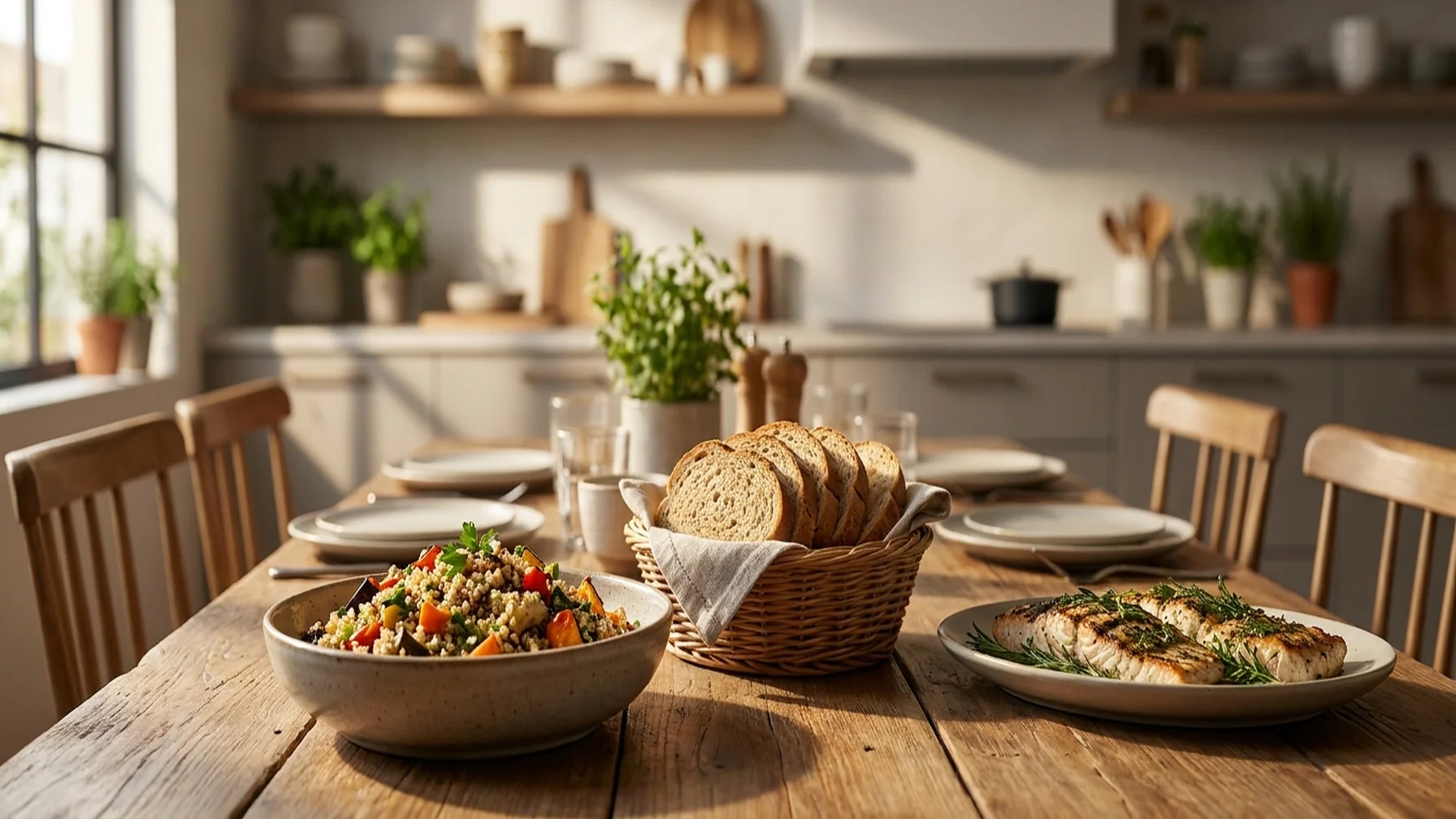
- Lunch: Grilled chicken salad with quinoa and mixed greens.
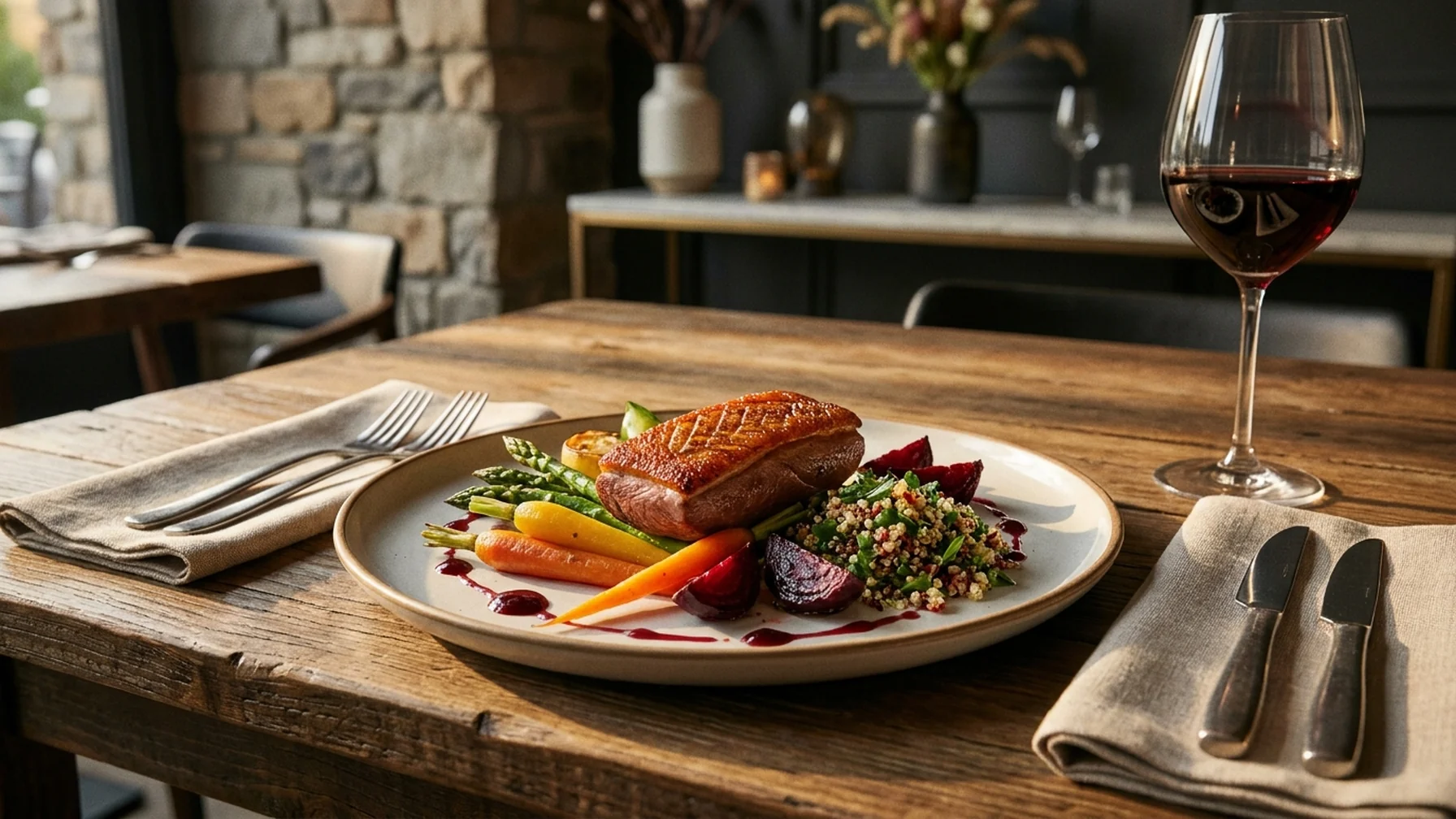
- Dinner: Baked salmon with roasted vegetables and brown rice.
- Snacks: Greek yogurt with berries or a handful of nuts.
These meals are not only gluten-free but also packed with essential nutrients to fuel your day.
Common Foods Containing Gluten
Many everyday foods contain gluten, making label reading essential. Foods like bread, pasta, cereals, and baked goods often have gluten. Additionally, gluten can lurk in sauces, dressings, and some processed meats. Vigilance with ingredient lists is key to maintaining a gluten-free diet.
Is a Gluten-Free Diet Healthy?
Following a gluten-free diet can be healthy when done correctly. It encourages the consumption of whole, unprocessed foods such as fruits, vegetables, lean meats, and gluten-free grains. However, some gluten-free packaged foods may be high in sugar and fat. Prioritizing nutrient-rich foods ensures a balanced diet.
Key Gluten-Free Protein Sources
Protein is vital for any diet, and numerous gluten-free options are available:
- Lean Meats: Chicken, turkey, beef, and pork are naturally gluten-free, offering high-quality protein.
- Fish and Seafood: Most fish and seafood are gluten-free and rich in omega-3 fatty acids.
- Eggs: A versatile protein source that is naturally free of gluten.
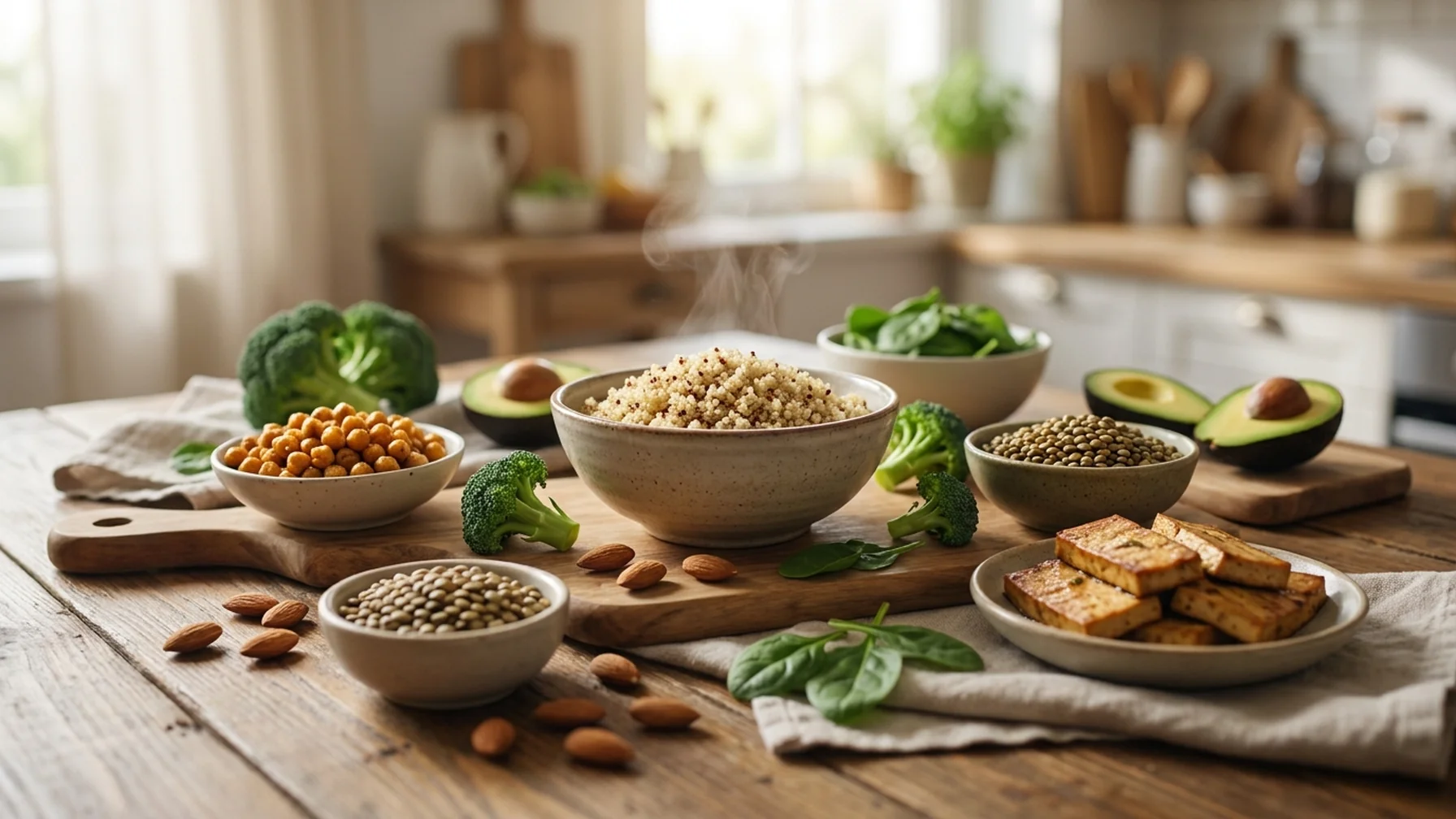
- Legumes: Beans, lentils, and chickpeas provide plant-based protein and are excellent for vegetarians.
- Nuts and Seeds: Almonds, walnuts, chia seeds, and flaxseeds are nutrient-dense and gluten-free.
- Dairy: Milk, cheese, and yogurt are gluten-free options, rich in protein and calcium.
Incorporating these protein sources into your meals can help maintain a balanced diet without gluten. Experimenting with different combinations can keep your meals exciting and nutritious.
Gluten-Free Protein Sources Comparison
Here's a quick comparison of some popular gluten-free protein sources and their benefits:
| Protein Source | Benefits |
|---|---|
| Quinoa | Complete protein, contains all essential amino acids |
| Chickpeas | High in fiber and protein, supports digestion |
| Almonds | Rich in healthy fats and vitamin E |
| Eggs | Versatile, provides essential nutrients like choline |
This comparison highlights the diversity of gluten-free proteins available, each offering unique nutritional benefits.
Is Oatmeal Gluten-Free?
Oats are naturally gluten-free, but they may be contaminated with gluten during processing. Look for oats labeled as gluten-free to ensure safety. Oatmeal can be a great breakfast option, providing fiber and protein to start the day.
Exploring Gluten-Free Flours
For those who enjoy baking, gluten-free flours are essential. Options such as almond flour, coconut flour, and rice flour can be used to make various baked goods without gluten. Trying different flours can lead to delicious gluten-free breads and desserts.
Benefits of a Gluten-Free Diet
A gluten-free diet can lead to numerous health benefits for those with gluten intolerance or celiac disease. These benefits include improved digestion, increased energy levels, and reduced inflammation. A gluten-free lifestyle also promotes healthier eating habits by focusing on whole, unprocessed foods.
Is Rice Gluten-Free?
Rice, in all its varieties, is naturally gluten-free. It serves as a versatile base for many dishes, making it a staple for those on a gluten-free diet. Combining rice with different proteins and vegetables can create satisfying and diverse meals.
Final Thoughts on Gluten-Free Protein Sources
Adopting a gluten-free diet doesn't mean compromising on nutrition. With a variety of gluten-free protein sources available, maintaining a balanced and healthy diet is achievable. By understanding which foods contain gluten and exploring gluten-free alternatives, individuals can enjoy diverse and delicious meals while adhering to their dietary needs.