Understanding Gluten Cross-Contamination: A Guide to Safe Eating.
Article Structure
Gluten cross-contamination is a significant concern for individuals following a gluten-free diet, especially those with celiac disease or gluten sensitivity. Understanding how gluten cross-contamination occurs and how to prevent it is crucial. Even small amounts of gluten can lead to severe health issues for those affected. This guide will cover what gluten is, the essentials of gluten-free diets, practical steps to avoid contamination, and real-world examples of how cross-contamination can occur. By the end of this article, you'll be equipped with the knowledge to maintain a safe and healthy gluten-free lifestyle.
What Is Gluten and Why Avoid It?
Gluten is a protein found in wheat, barley, and rye. It gives dough its elasticity and helps it rise and keep its shape. For individuals with celiac disease, gluten sensitivity, or gluten intolerance, ingesting gluten can cause severe health issues. Symptoms can range from digestive discomfort, such as bloating and diarrhea, to more serious conditions like celiac disease, which damages the small intestine when gluten is consumed.
Understanding gluten cross-contamination is crucial for those with these conditions. Consider a scenario where someone unknowingly consumes gluten-contaminated food, resulting in a flare-up of symptoms that could last for days.
Common Scenarios of Gluten Cross-Contamination
To better understand gluten cross-contamination, it's helpful to know where it can occur. The following table outlines common scenarios and their potential sources.
Table: Common Scenarios of Gluten Cross-Contamination
| Situation | Potential Sources |
|---|---|
| Shared Cooking Utensils | Cutting boards, knives, mixing bowls |
| Restaurant Environments | Grills, fryers, prep surfaces |
| Bulk Bins | Flour bins, cereal bins |
| Homemade Meals | Counters used for both gluten and gluten-free foods |
Each of these situations highlights the importance of vigilance in preventing cross-contamination, which can lead to significant health issues for individuals with gluten intolerance. Taking proactive measures can help keep meals safe and enjoyable.
Gluten-Free Diet: Basics and Benefits
A gluten-free diet excludes all foods containing gluten. This includes many grains, but there are plenty of alternatives such as rice, quinoa, and gluten-free flours. The benefits of a gluten-free diet can include alleviation of symptoms associated with gluten intolerance and improved digestive health. For example, a person with celiac disease might experience relief from symptoms like fatigue and joint pain after switching to a gluten-free diet, allowing them to lead a more active and comfortable life.
Foods That Contain Gluten
Understanding which foods contain gluten is crucial. Common sources include:
- Bread and other baked goods
- Pasta
- Cereals
- Beer
- Processed foods, where gluten is often used as a filler or thickener
Being aware of these can help in making informed choices and avoiding unwanted gluten consumption. Imagine a scenario where a person accidentally consumes a gluten-containing cereal due to misreading the label, leading to a painful reaction.
What Does Gluten-Free Mean?
The term "gluten-free" indicates that a product does not contain gluten. However, it’s essential to ensure that these foods are not subject to gluten cross-contamination during processing or packaging. For those with severe gluten intolerance, even a small amount of gluten can trigger adverse reactions. For instance, a gluten-free labeled bread might be contaminated due to being processed in the same facility as wheat bread, which could result in cross-contamination.
Steps to Avoid Gluten Cross-Contamination
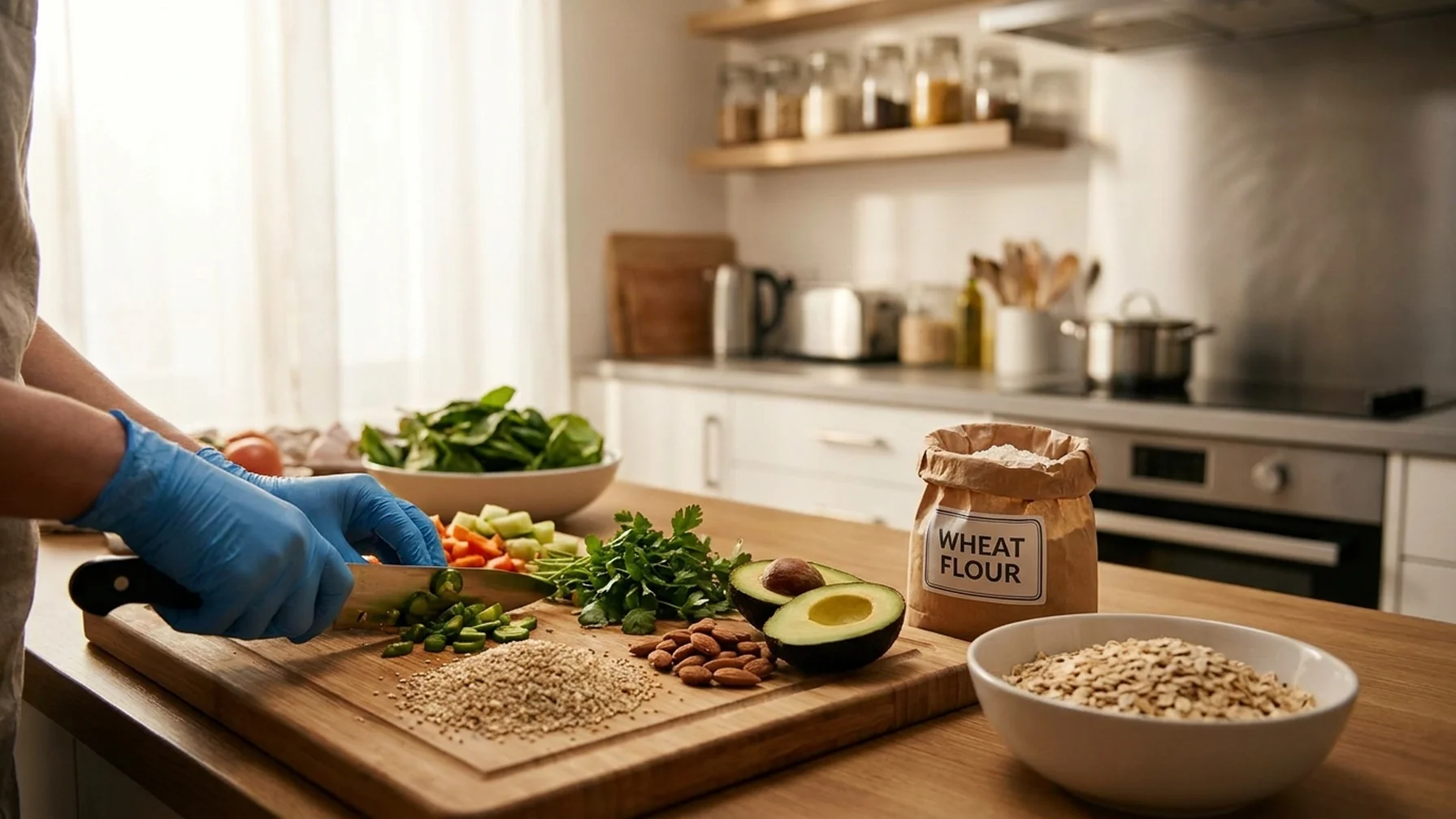
Cross-contamination happens when gluten-free foods come into contact with gluten-containing foods or surfaces. To prevent this, consider the following steps:
- Use separate utensils and cutting boards for gluten-free foods.
- Thoroughly clean kitchen surfaces and appliances after preparing gluten-containing foods.
- Store gluten-free foods separately to prevent accidental contact.
- Be cautious when dining out and ensure the restaurant understands gluten-free preparation requirements.
By implementing these practices, you can significantly reduce the risk of gluten cross-contamination in your diet. A practical example is a family ensuring their kitchen has dedicated gluten-free zones and tools, thus preventing any mishaps during meal preparation.
Gluten-Free Foods and Alternatives
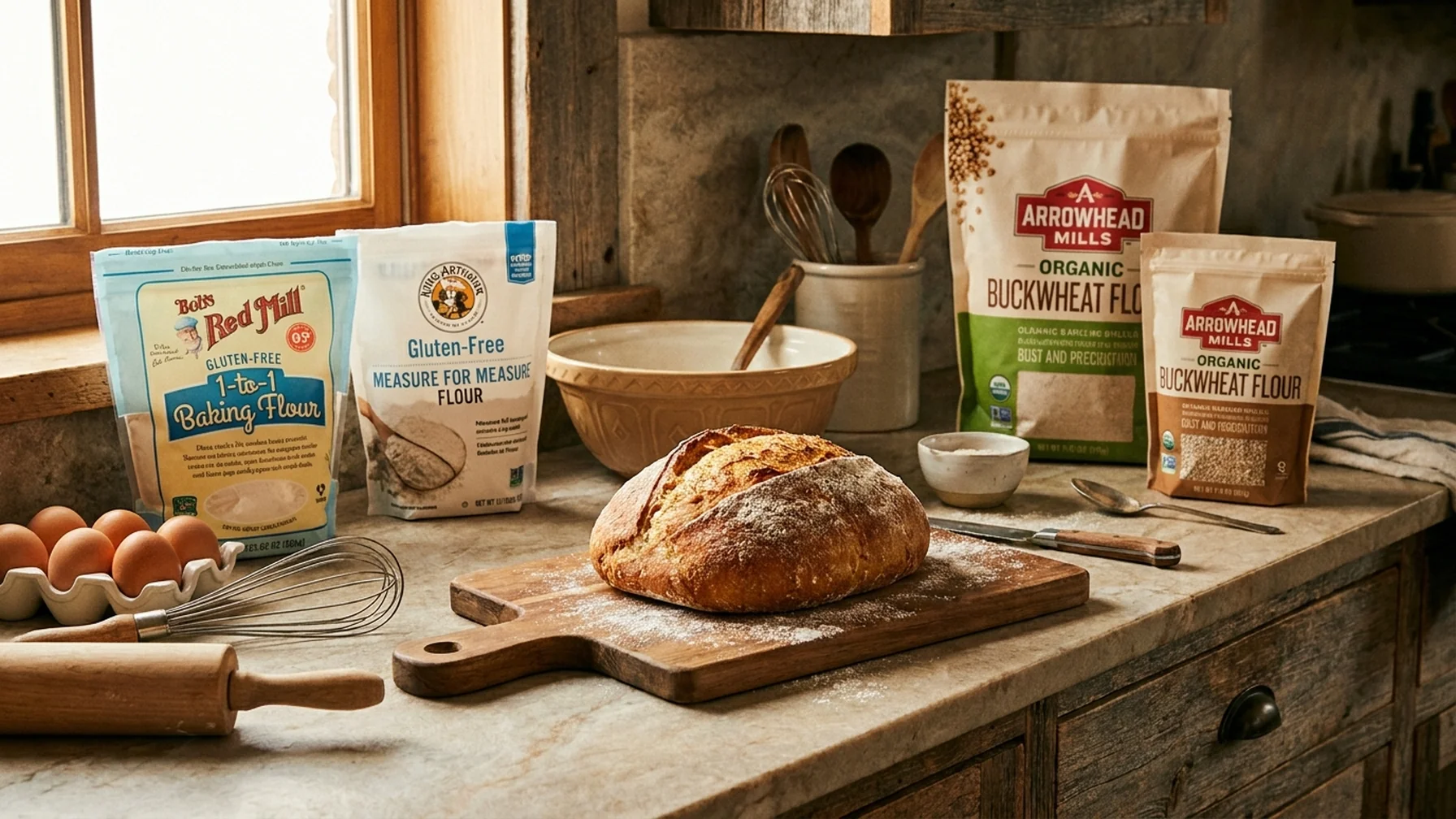
Many foods are naturally gluten-free, such as fruits, vegetables, and meats. Additionally, there are gluten-free versions of many staples, like bread and snacks, available in stores. For those who love baking, gluten-free flours provide a great substitute for traditional flours. For instance, using almond flour can give baked goods a unique flavor and texture, making gluten-free baking a delightful experience.
Common Mistakes and How to Avoid Them
Several common mistakes can lead to gluten cross-contamination, even for the most vigilant. One frequent error is assuming all restaurant meals labeled "gluten-free" are safe. Always communicate with the staff to ensure understanding and proper handling. Another mistake is neglecting to check condiments and sauces, which often contain hidden gluten. A practical solution is to maintain a list of safe brands and products. Additionally, cross-contact in shared kitchens can occur if gluten-free and gluten-containing foods are stored together. A solution is to designate specific shelves and spaces for gluten-free items to prevent mix-ups.
Conclusion: Embracing a Gluten-Free Lifestyle
Living gluten-free doesn't mean sacrificing enjoyment or nutrition. By understanding gluten cross-contamination and taking steps to avoid it, you can enjoy a diverse and delicious diet safely. Whether you're baking with gluten-free flour or choosing the right oatmeal, these strategies will help maintain health and happiness. Embrace the journey with confidence, knowing that with the right knowledge and preparation, a gluten-free lifestyle is both achievable and rewarding.