Understanding Gluten Induced Allergy Symptoms and How to Manage Them.
Article Structure
Gluten-induced allergy symptoms can be confusing and challenging to deal with. Understanding the nature of gluten, the symptoms of intolerance, and how to manage a gluten-free diet is crucial for those affected. This article explores what gluten is, the symptoms of gluten intolerance, and practical tips for adopting a gluten-free lifestyle.
What is Gluten and Why Does it Matter?
Gluten is a group of proteins found in wheat, barley, and rye. It gives dough its elasticity and provides structure to baked goods. While gluten is harmless to most people, it can cause adverse reactions in individuals with gluten intolerance or celiac disease. Understanding gluten's role in foods helps in identifying potential problem areas for those with sensitivities.
Recognizing Gluten Induced Allergy Symptoms
Recognizing gluten-induced allergy symptoms is essential for managing your health effectively. Here are the steps to identify these symptoms and take appropriate action:
- Observe bodily reactions after gluten consumption.
- Take note of any digestive disturbances, such as bloating or diarrhea.
- Track other symptoms like skin rashes, headaches, or fatigue.
- Consult a healthcare professional for testing and accurate diagnosis.
By following these steps, you can better understand how gluten affects your body and make informed choices about your diet and health management. Identifying these symptoms early can lead to significant improvements in your quality of life.
Common Symptoms of Gluten Intolerance
Gluten intolerance and celiac disease present a range of symptoms. Here are common signs to watch for:
- Digestive Issues: Bloating, diarrhea, constipation, and stomach pain are frequent complaints.
- Fatigue: Persistent tiredness can result from gluten affecting nutrient absorption.
- Skin Problems: Rashes and dermatitis herpetiformis, a specific skin condition, may occur.
- Headaches: Some people experience migraines or headaches after consuming gluten.
- Joint Pain: Inflammation and pain in the joints are possible symptoms.
Recognizing these symptoms early can help in seeking a proper diagnosis and treatment plan.
What Does Gluten-Free Mean?
A gluten-free diet excludes all foods containing gluten. This includes avoiding wheat, barley, rye, and any derivatives of these grains. For those with celiac disease or gluten sensitivity, adhering to a gluten-free diet is essential to avoid symptoms and potential long-term health issues.
Foods to Avoid and Safe Alternatives
Knowing which foods contain gluten and which are safe is fundamental in managing a gluten-free diet. Here is a comparison of common foods containing gluten and their gluten-free alternatives:
| Foods Containing Gluten | Gluten-Free Alternatives |
|---|---|
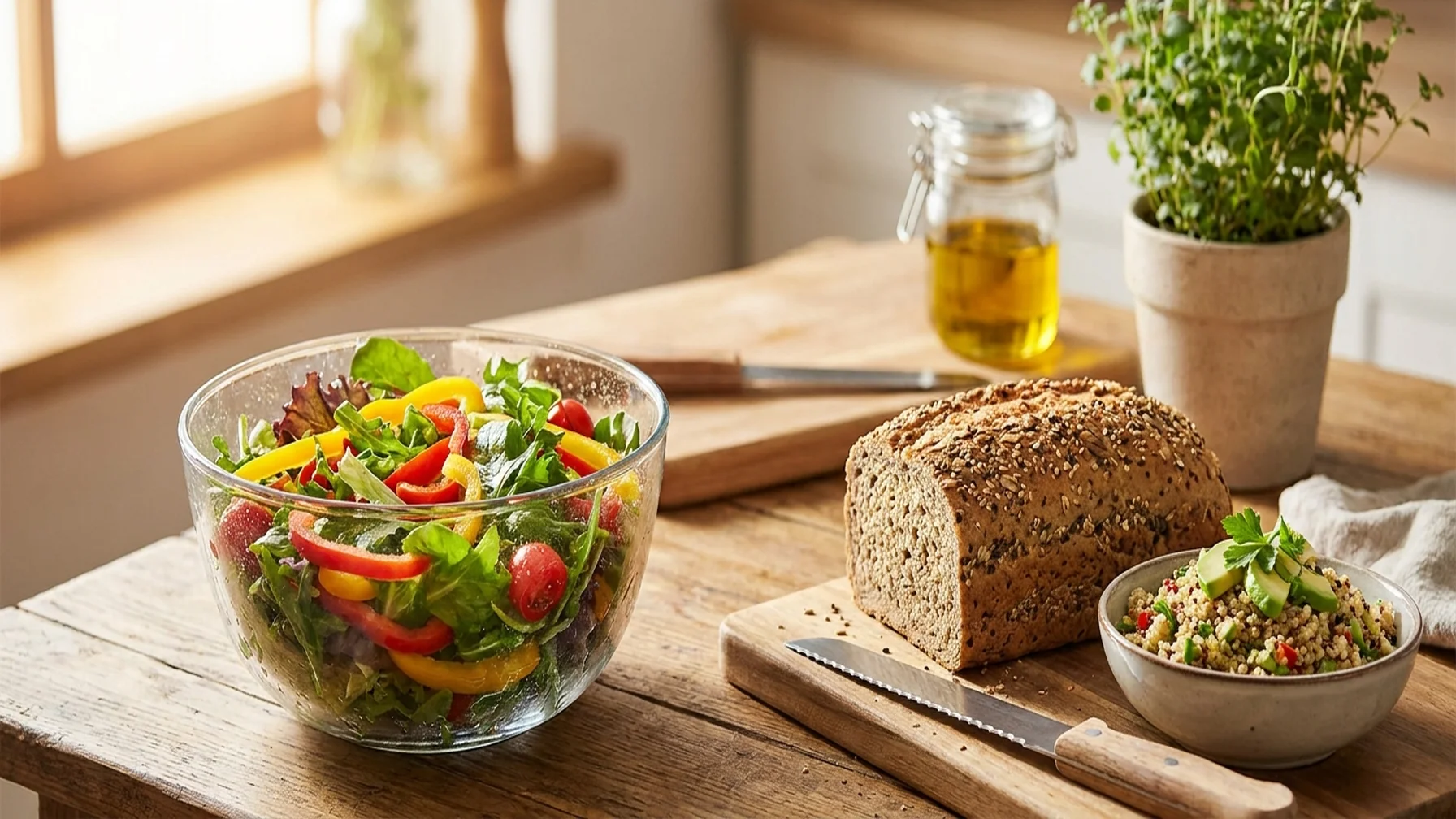
| Bread | Gluten-free bread |
| Pasta | Rice noodles |
| Beer | Gluten-free beer |
Incorporating gluten-free alternatives can make the transition to a gluten-free diet easier and more enjoyable.
Is Gluten-Free Always Healthy?
A gluten-free diet can be healthy if it includes a variety of foods. Whole foods like fruits, vegetables, lean meats, and gluten-free grains should be staples. However, some gluten-free processed foods may be high in sugar or unhealthy fats, so it's important to read labels carefully.
Exploring Gluten-Free Diet Benefits
For those with gluten intolerance or celiac disease, the benefits of a gluten-free diet include reduced symptoms, improved nutrient absorption, and overall better health. Some people without diagnosed conditions also report feeling better on a gluten-free diet, though more research is needed to understand why.
Gluten-Free Meal and Recipe Ideas
Adopting a gluten-free diet doesn't mean sacrificing taste or variety. Here are some meal ideas to get started:
- Breakfast: Oatmeal (certified gluten-free), fruit smoothies, or gluten-free pancakes.
- Lunch: Salads with grilled chicken, quinoa bowls, or gluten-free sandwiches.
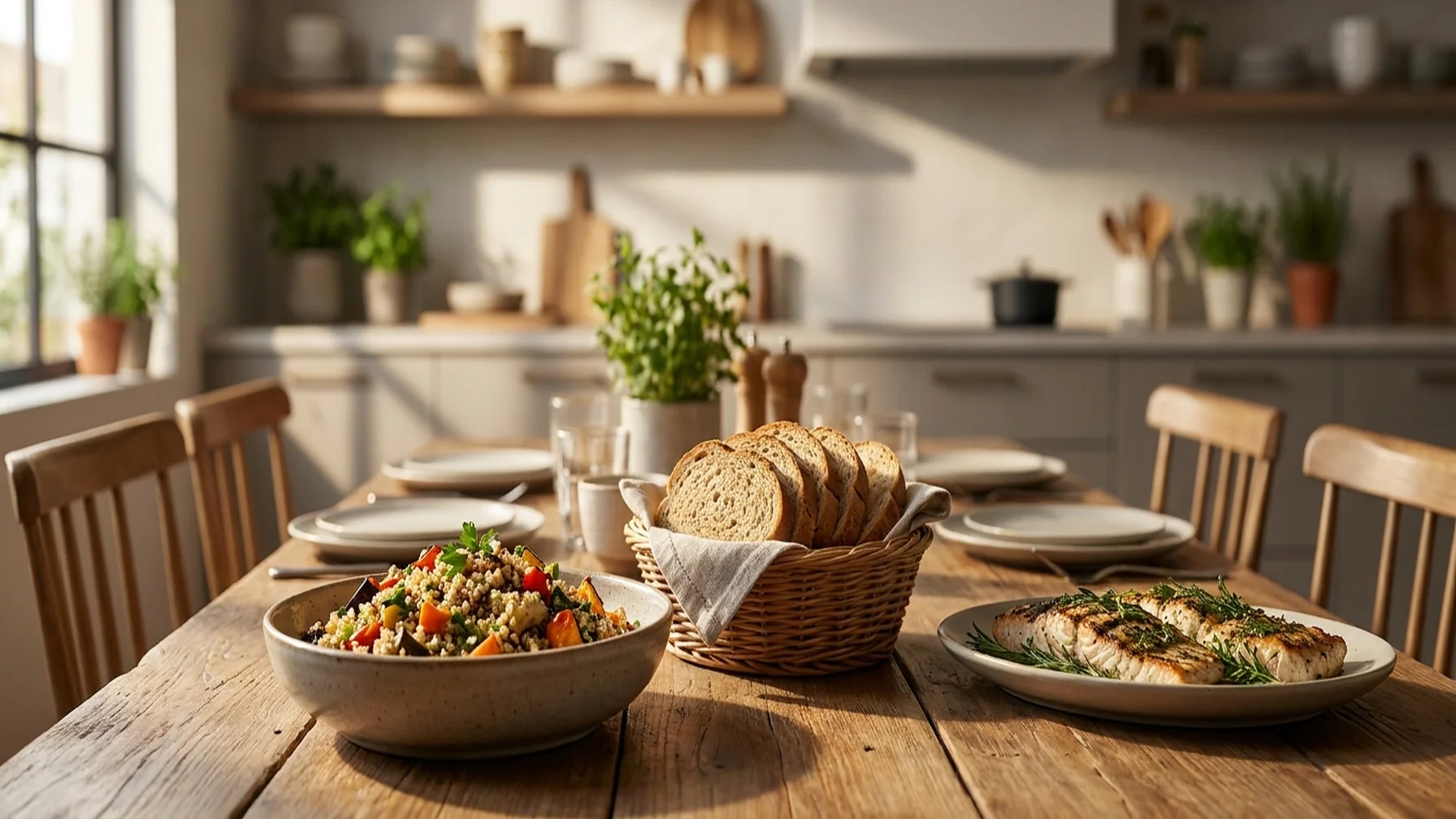
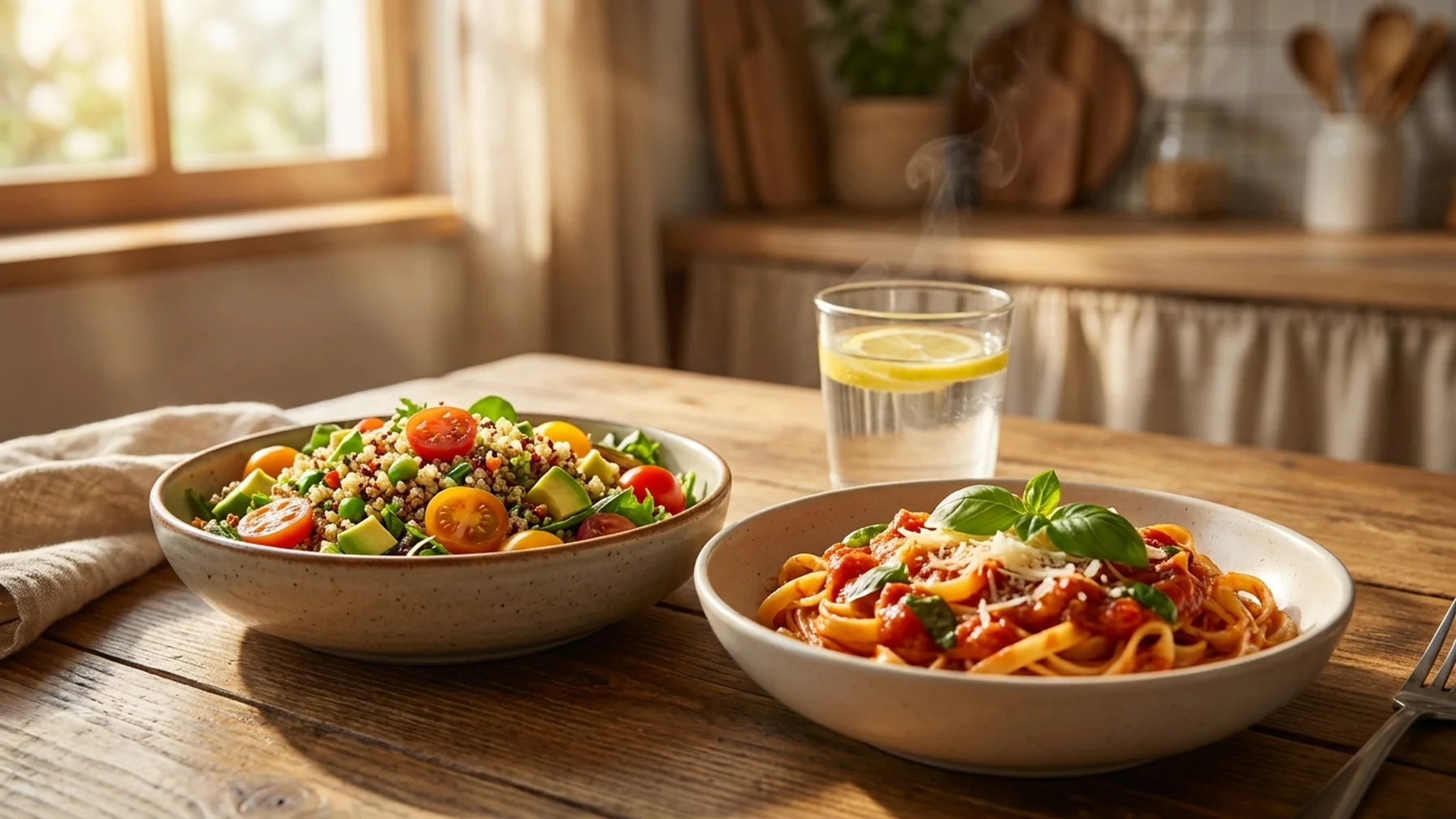
- Dinner: Grilled fish with rice, gluten-free pasta with tomato sauce, or stir-fried vegetables.
- Snacks: Nuts, gluten-free snacks like rice cakes, or fresh fruit.
- Desserts: Gluten-free brownies, rice pudding, or fruit parfaits.
Experimenting with different gluten-free recipes can help maintain a balanced and enjoyable diet.
Is Oatmeal Gluten-Free?
Oats are naturally gluten-free, but they can be contaminated with gluten during processing. To ensure oatmeal is safe, choose brands labeled as gluten-free, which are processed in facilities dedicated to gluten-free products.
Conclusion: Understanding Gluten Sensitivity
Grasping the effects of gluten on health is crucial for those with sensitivities or celiac disease. Identifying symptoms and embracing a gluten-free diet can lead to a healthier and more comfortable life. With many foods and recipes available, living gluten-free can be both practical and enjoyable.