Exploring Top Gluten-Free Diet Trends: A Comprehensive Guide.
Article Structure
The gluten-free diet has gained significant attention in recent years, with many people adopting it for health benefits or due to medical needs. Understanding the top gluten-free diet trends can help you navigate this lifestyle more effectively. This guide will explore what gluten is, the benefits of going gluten-free, popular gluten-free foods, and recipe ideas to get you started. Additionally, we'll delve into the rise of gluten-free products and address common questions and misconceptions about the diet.
What Is Gluten?
Gluten is a protein found in grains like wheat, barley, and rye. For individuals with celiac disease or gluten sensitivity, consuming gluten can lead to a range of unpleasant symptoms. Celiac disease is an autoimmune disorder where gluten intake damages the small intestine, causing symptoms like bloating, diarrhea, and fatigue. Gluten sensitivity, while less severe, can still cause discomfort such as headaches, joint pain, and digestive issues.
Why Go Gluten-Free?
Consider the case of Emily, a 30-year-old who suffered from chronic fatigue and digestive issues. After testing positive for celiac disease, she switched to a gluten-free diet and noticed a dramatic improvement in her symptoms within weeks. Emily's story underscores the importance of a gluten-free diet for those with celiac disease.
Popular Gluten-Free Foods
Adopting a gluten-free diet means avoiding foods containing wheat, barley, and rye. Fortunately, there are plenty of alternatives to consider:
| Food Category | Gluten-Free Options |
|---|---|
| Fruits and Vegetables | Naturally gluten-free and packed with nutrients |
| Meat and Fish | Fresh, unprocessed meat and fish are gluten-free |
| Dairy | Most dairy products are gluten-free, but check labels for additives |
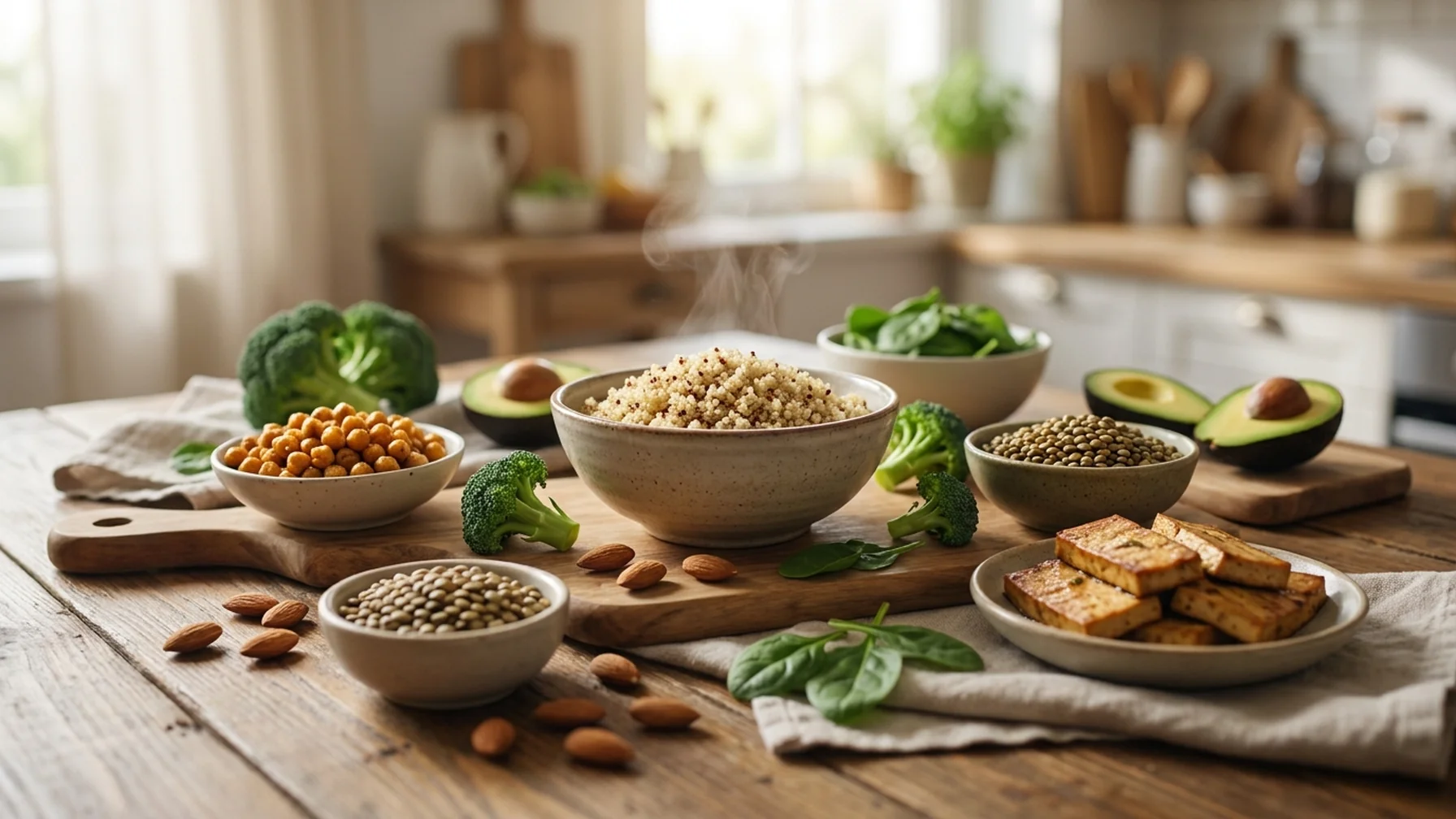
| Grains | Rice, quinoa, and corn are excellent gluten-free options |
| Gluten-Free Flour | Almond, coconut, and rice flour can replace traditional flour |
To help guide your transition to a gluten-free lifestyle, consider the following steps:
- Start by identifying naturally gluten-free foods, such as fresh fruits and vegetables.
- Incorporate gluten-free grains like rice and quinoa into your meals.
- Experiment with gluten-free flours, like almond and coconut, for baking.
Consider Sarah, who loves baking. She successfully transitioned to gluten-free baking by using almond and coconut flours, proving that gluten-free doesn't mean giving up on your favorite dishes.
The Rise of Gluten-Free Bread and Snacks
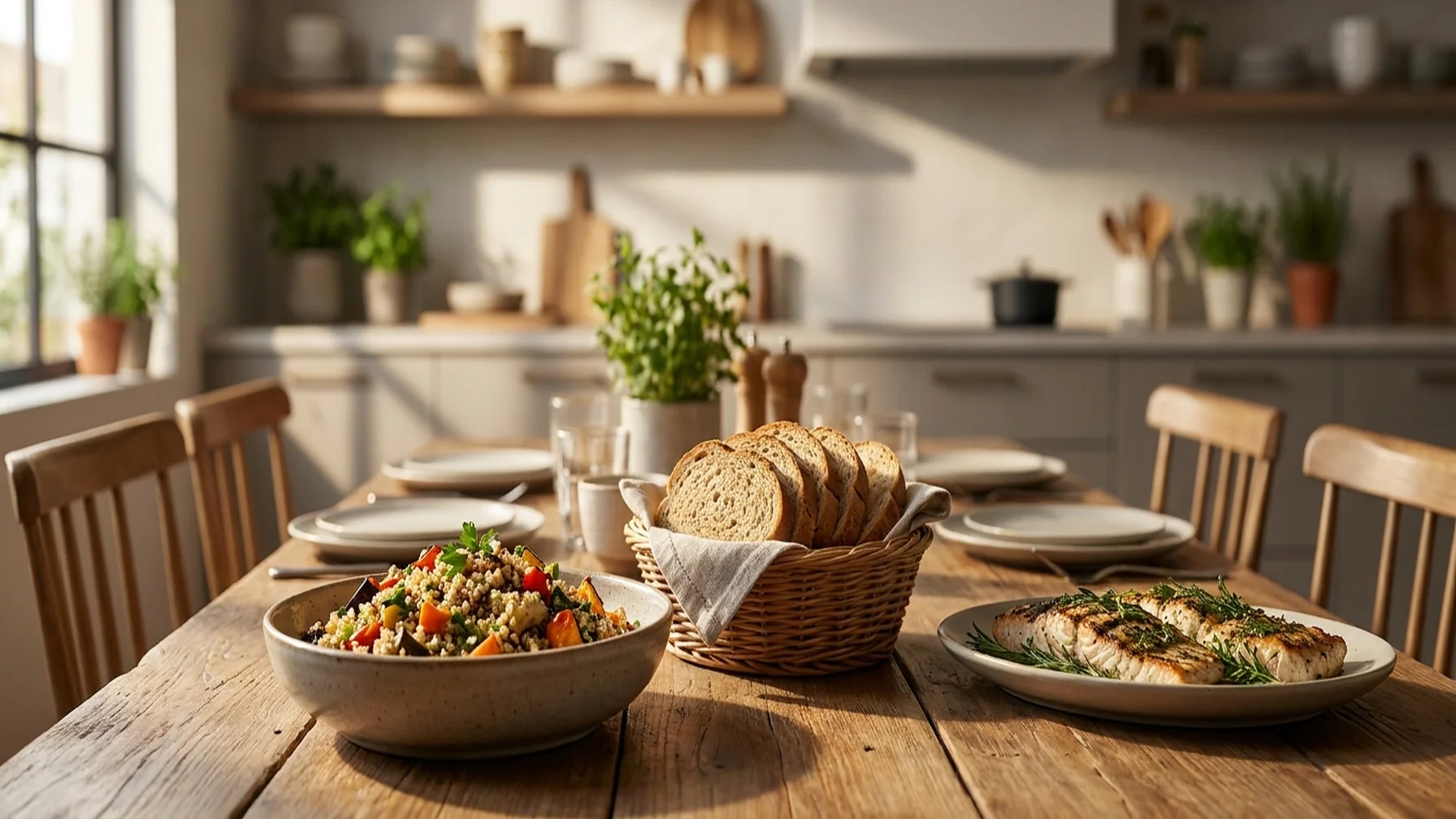
One of the top gluten-free diet trends is the increasing availability of gluten-free bread and snacks. Many brands now offer delicious gluten-free versions of these staples. These products are made using alternative flours like almond or rice flour, providing tasty options for those avoiding gluten.
For instance, the brand "Gluten-Free Delights" has seen a surge in popularity for their bread, made using rice flour and tapioca starch. This caters to those looking for tasty gluten-free options. Similarly, snacks like gluten-free pretzels or crackers are becoming household favorites, offering convenience without compromising health.
Health Benefits of a Gluten-Free Diet
For those with gluten intolerance or celiac disease, a gluten-free diet is essential. It helps alleviate symptoms and prevents long-term health complications. Beyond medical reasons, some people choose this diet for potential health benefits, including improved digestion, reduced inflammation, and increased energy levels. However, it's crucial to ensure a balanced diet to avoid nutritional deficiencies.
Take, for example, John, who experienced frequent bloating and fatigue. After eliminating gluten, he reported feeling more energetic and less bloated. While gluten-free diets can offer benefits, John's case also highlights the need for a balanced diet rich in nutrients.
Understanding Gluten-Free Labels
When shopping, look for products labeled "gluten-free," which means they contain less than 20 ppm of gluten, a safe level for most people with gluten intolerance. Always read labels carefully, as some products may contain hidden gluten in additives or preservatives.
Consider the case of David, a shopper who almost bought a gluten-free-labeled sauce. Upon closer inspection, he found gluten-containing additives listed in the ingredients, a reminder of the importance of vigilance when reading labels.
Gluten-Free Recipe Ideas
Cooking gluten-free doesn't mean sacrificing flavor. Here are some meal ideas to inspire you:
- Breakfast: Try a mix of gluten-free oats with fruits and nuts for a hearty start.
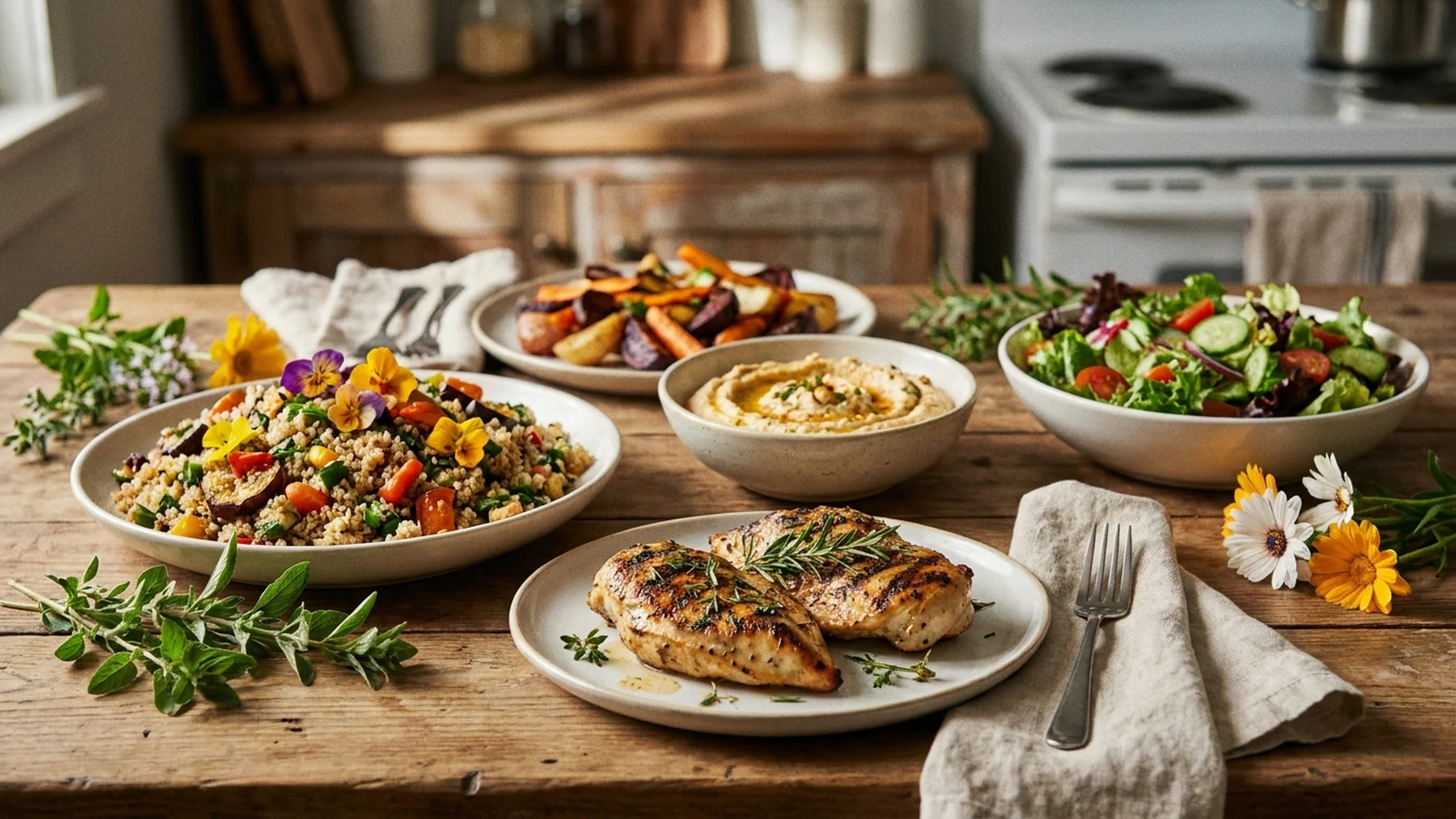
- Lunch: Quinoa salad with grilled chicken and fresh vegetables.
- Dinner: Stuffed bell peppers with rice, beans, and cheese.
- Snacks: Enjoy gluten-free crackers with hummus or fresh fruit.
- Desserts: Indulge in flourless chocolate cake or almond cookies.
Lucy's favorite meal is a quinoa salad, which she enjoys preparing with different vegetables and proteins for variety. This showcases the flexibility and enjoyment of gluten-free cooking.
Is Gluten-Free Always Healthy?
While gluten-free diets are essential for specific health conditions, they are not inherently healthier for everyone. Some gluten-free products can be high in sugar and fat. It's vital to focus on whole foods and maintain a balanced diet. Always consult with a healthcare provider before making significant dietary changes.
Consider Tom, who replaced regular snacks with gluten-free options. He found that some gluten-free products were higher in calories and sugar, prompting him to choose whole foods instead.
Common Gluten-Free Diet Questions
People often ask whether certain foods are gluten-free. For instance, oatmeal can be gluten-free if it's processed in a gluten-free facility. Similarly, rice is naturally gluten-free and a versatile addition to any meal plan. When in doubt, check packaging for gluten-free certification.
Jane, a gluten-free novice, was surprised to learn that soy sauce often contains gluten. She now opts for tamari, a gluten-free alternative, demonstrating the importance of knowledge in gluten-free shopping.
Concluding Thoughts on Gluten-Free Diet Trends
The gluten-free diet offers numerous options and benefits, particularly for those with gluten intolerance. Understanding what foods to include and how to create delicious meals can make this lifestyle both enjoyable and healthful. As this trend continues to grow, exploring new recipes and products can add variety and excitement to your gluten-free journey.