
How to Read Gluten-Free Labels: A Step-by-Step Guide for Shoppers.
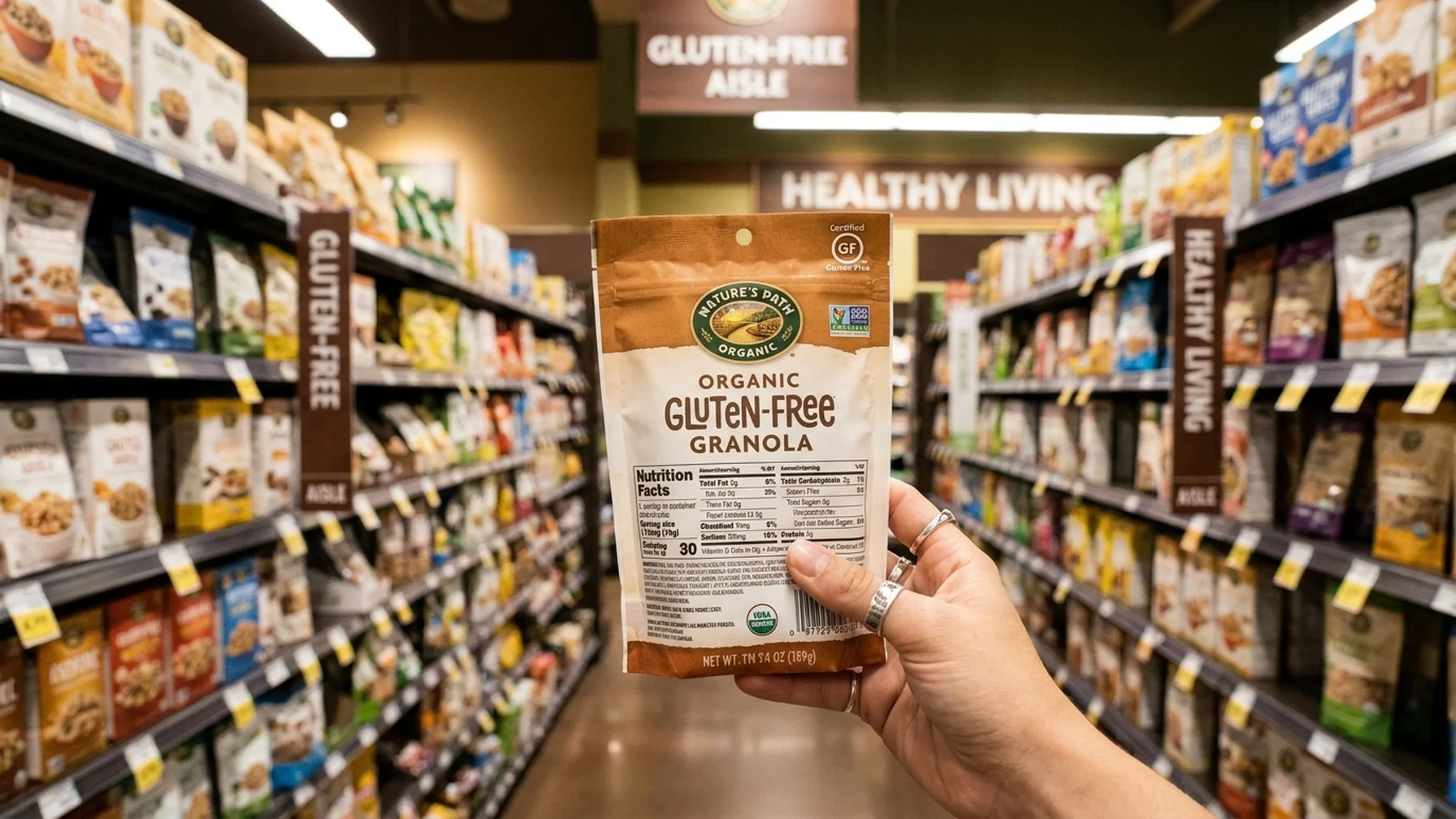
Article Structure
For anyone dealing with a gluten-free diet, knowing how to read gluten-free label is essential. On top of that, whether you 're dealings with coeliac disease, gluten sensitivity, or simply opting for gluten-free foods, understanding labels can make your shopping experience both easier and safer. This usher will provide practical stairs and tips to help you confidently read gluten-free labels and take merchandise that suit your needs.
Understanding Gluten and Its Impact
Gluten is a protein found in wheat berry, barley, and rye. Of course, it gives dough its elasticity and helps baked goods rise. In fact, for those with celiac disease, gluten can cause severe intestinal harm, leading to symptoms ilk bloat and fatigue. Truth is, gluten sensitivity can result in similar symptoms without the enteric damage. Phrase: Conognizing gluten's role in food is crucial for anyone affected by these conditions.||SPLIT||||
SPLIT|||Key Components of Gluten-Free label Explained||||
Limme on a gluten-free Indeed, here 's what to check:
- Ingredients lean: Identify hide beginning of gluten like malted or modified food starch.
- Certification: Look for logos from organizations such as the Gluten-Free Certification Organization ( GFCO ).
- Cross-Contamination Warnings: Note if the food was processed in a facility that also handles gluten-containing foods.
These elements are essential for ensuring the food you take is truly gluten-free and safe for your diet.
Understanding recording label footing: A speedy Reference
Different terms on label can indicate varying degree of gluten presence. Here's the bottom line: here 's a quick reference usher:
| Label Term | Meaning |
|---|---|
| Certified Gluten-Free | Tested and verified to hold 20 parts per million ( ppm ) or less of gluten. |
| Gluten-Free | Contains less than 20 ppm of gluten, according to FDA regulations. |
| Wheat-Free | doesn't contain wheat but may still have gluten from other grains. |
| Cross-Contamination Warning | May contain gluten due to shared facilities or equipment. |
| Ingredients List | Look for hidden gluten sources like malt, barley, or wheat derivatives. |
This table serves as a handy usher to aid you quickly assess products for gluten content and make informed decisions.
Common Gluten-Free food to Include in Your Diet
A gluten-free diet does n't mean limited options. Here are some common gluten-free foods you can enjoy:
- Fruits and Vegetables: of course gluten-free and packed with nutrients.
- Rice and oat: Naturally gluten-free; oats should be checked for cross-contamination.
- Gluten-Free Flours: Include almond, basically, coconut, and rice flour.
- Gluten-Free Bread and Snacks: Many brands offer these options.
Including a assortment of these nutrient can help keep a balanced and nutritious gluten-free diet.
Steps to Read Gluten-Free Labels Effectively
Here 's a simple usher to helper you navigate gluten-free label:
- Search for the `` Gluten-Free '' certification seal on the packaging.
- Examine the ingredient list for gluten-containing ingredients like wheat, barley, and rye.
- Review the allergen statement for cross-contamination warnings.
Following these steps ensures that the products you choose are safe and align with your gluten-free dietary needs.
Recognizing Symptoms of Gluten Intolerance
If you suspect gluten intolerance, be aware of these common symptom:
- Digestive Issues: Such as bloating, gas, and diarrhea.
- Fatigue: A persistent feeling of tiredness despite adequate rest.
- Joint Pain: Unexplained aches and stiffness.
Consult a health care professional for a proper diagnosis and guidance on managing these symptom effectively.
Benefits of Adopting a Gluten-Free Diet
For those with celiac disease or gluten sensitivity, a gluten-free diet can offer substantial benefits. These include improved digestive health, increased energy levels, and reduced inflammation. Additionally, many people report clearer skin and fewer headaches on a gluten-free diet. These improvements can greatly enhance overall well-being.
Conclusion: addressing Gluten-Free label with Confidence
Learning how to read gluten-free label effectively is an invaluable skill for maintaining a gluten-free lifestyle. By understanding key recording label component and integrating a variety of gluten-free food into your diet, you can savor a safe, healthy, and satisfying eating experience. When necessary, Always remain vigilant about potential cross-contamination and seek personalized advice from healthcare professionals.