Exploring Gluten-Free Korean Recipes: A Delicious Journey.
Article Structure
Embarking on a gluten-free diet doesn't mean missing out on the flavors and excitement of Korean cuisine. For those who are gluten intolerant or have celiac disease, exploring gluten-free Korean recipes can open the door to a world of delicious and safe meals. Korean cuisine, known for its bold flavors and diverse ingredients, offers many opportunities for gluten-free adaptations. Understanding what gluten is and how to avoid it is key to enjoying these vibrant dishes. By substituting certain ingredients, you can enjoy traditional Korean flavors without the gluten-related worries.
What is Gluten and Why Go Gluten-Free?
Gluten is a protein found in wheat, barley, and rye. It gives dough its elasticity and chewy texture. However, for individuals with gluten intolerance or celiac disease, consuming gluten can lead to uncomfortable symptoms. Common symptoms include bloating, fatigue, and digestive issues. A gluten-free diet involves avoiding foods that contain gluten, which can significantly improve health and well-being for sensitive individuals. Embracing a gluten-free lifestyle can enhance your quality of life by alleviating these symptoms and allowing you to enjoy meals without discomfort.
Common Foods Containing Gluten
Many common foods contain gluten, such as breads, pastas, and baked goods. Soy sauce, a staple in many Korean dishes, often contains gluten as well. It's essential to read labels carefully and look for gluten-free alternatives when preparing Korean recipes. For instance, traditional Korean dishes like Korean BBQ or seasoned vegetables may often use sauces or marinades that contain gluten. Thus, identifying and substituting these ingredients is crucial when aiming for a gluten-free recipe.
Is a Gluten-Free Diet Healthy?
While a gluten-free diet is necessary for those with celiac disease or gluten sensitivity, it is not inherently healthier for everyone. However, it can lead to a healthier lifestyle by encouraging the consumption of whole, unprocessed foods. It's important to ensure you're getting enough nutrients that might be lacking in a gluten-free diet, such as fiber and certain vitamins. For example, incorporating a variety of fruits and vegetables can help balance the diet and provide essential nutrients.
Gluten-Free Korean Ingredient Alternatives
Switching to gluten-free ingredients is key to enjoying Korean recipes without gluten. Here are some common substitutes:
- Gluten-Free Soy Sauce: Tamari or coconut aminos are excellent alternatives.
- Gluten-Free Flour: Rice flour and almond flour can replace wheat flour in many recipes.
- Rice: Naturally gluten-free, rice is a staple in Korean cuisine.
These alternatives can help maintain the authenticity and flavor of Korean dishes while ensuring they are safe for a gluten-free diet. For example, using tamari instead of regular soy sauce in a dish like japchae (Korean stir-fried noodles) can make the meal both authentic and gluten-free.
Delicious Gluten-Free Korean Recipes to Try
Here are some gluten-free Korean dishes that are both flavorful and easy to prepare:
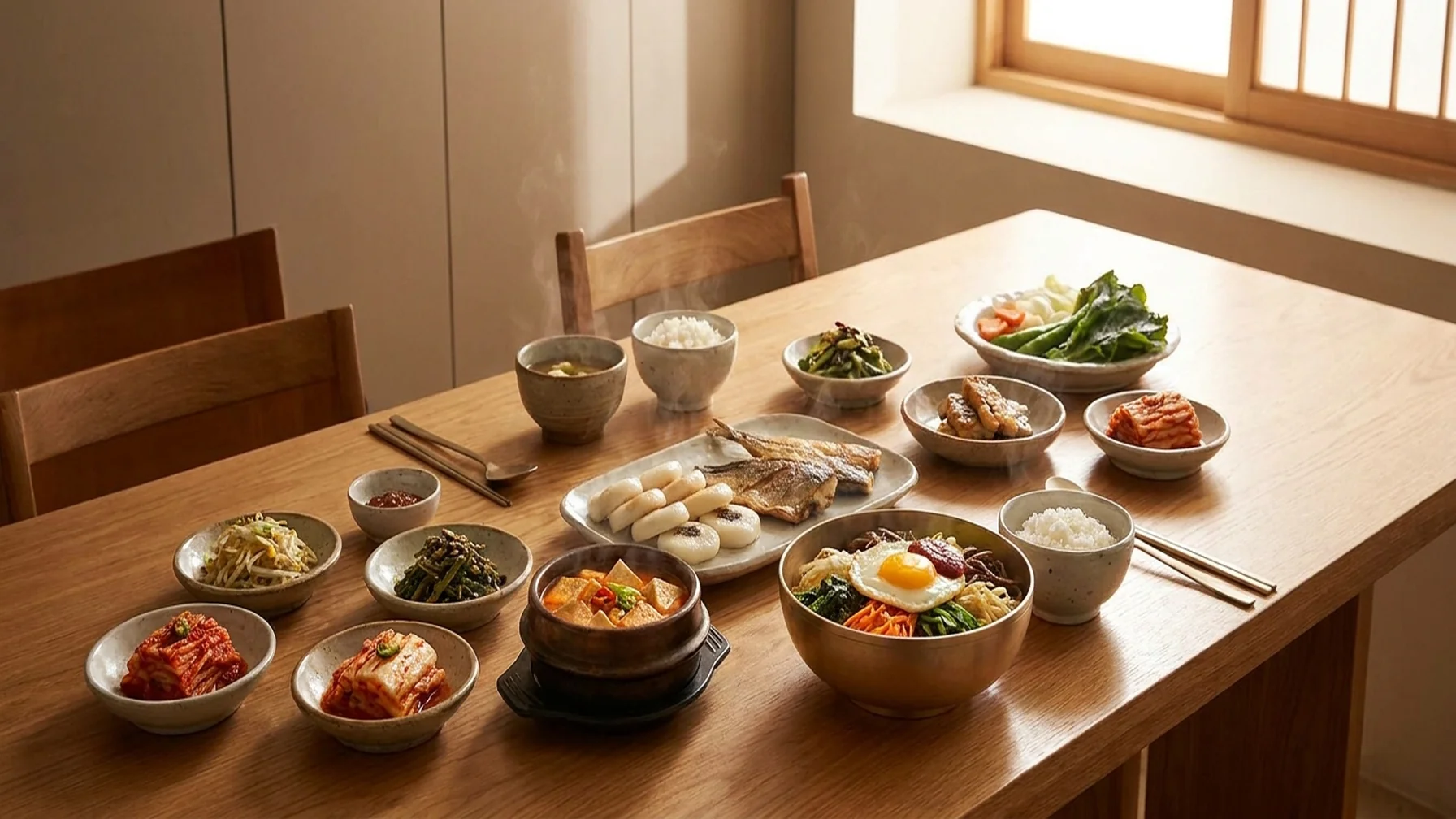
- Bibimbap: A rice dish topped with assorted vegetables, a fried egg, and a choice of protein. Use gluten-free gochujang (Korean chili paste) to spice it up. This dish allows for customization with various toppings, making it a versatile and satisfying meal.
- Kimchi Jjigae: A hearty stew made with kimchi, tofu, and vegetables. Ensure the kimchi is gluten-free by checking the ingredients. This comforting stew is perfect for colder days and brings a spicy kick to your meal.
- Bulgogi: Marinated beef or chicken, stir-fried with vegetables. Use gluten-free soy sauce in the marinade. Bulgogi is a crowd-pleaser and can be served over rice or in lettuce wraps.
These recipes offer a taste of Korea that is both satisfying and safe for those avoiding gluten. Experimenting with these dishes can bring the joys of Korean cuisine right into your home.
Breakfast and Dessert Ideas
Breakfast and dessert can also be part of your gluten-free Korean culinary adventure:
- Jeon (Korean Pancakes): Made with gluten-free flour, these savory pancakes can be filled with vegetables or seafood. They are a great way to start the day with a hearty meal.
- Patbingsu: A delightful shaved ice dessert with sweet toppings like red beans and fruits. It's a refreshing treat that can be adapted with various gluten-free toppings.
Enjoying these meals can make breakfast and dessert just as exciting as the main courses. These dishes show that a gluten-free diet doesn't have to be limiting and can include a wide range of flavors and textures.
Benefits of a Gluten-Free Korean Diet
Adopting a gluten-free Korean diet can provide numerous benefits, especially for those with gluten sensitivity. It encourages healthier eating habits, focusing on fresh vegetables, lean meats, and rice. Additionally, it allows individuals to explore a different culinary tradition while maintaining their health needs. By embracing these dietary changes, you can experience the rich flavors of Korean cuisine without compromising your health goals.
Conclusion: Enjoying Gluten-Free Korean Cuisine
Exploring gluten-free Korean recipes can be a rewarding experience. By understanding gluten and making mindful ingredient choices, you can enjoy delicious, authentic Korean dishes without compromising your health. Whether you're a seasoned cook or a curious foodie, these recipes offer a taste of Korea that is both safe and satisfying. Dive into the world of gluten-free Korean cooking and discover new favorites that can become staples in your culinary repertoire.