Exploring Gluten Free Appetizers: A Delightful Start to Your Meal.
Article Structure
Gluten free appetizers can be a delightful addition to any meal, especially for those following a gluten free diet. But what exactly is gluten, and why do some people need to avoid it? Gluten is a protein found in wheat, barley, and rye. For individuals with celiac disease or gluten sensitivity, gluten can cause a range of uncomfortable symptoms, leading many to seek out gluten free alternatives. Including gluten free appetizers in your meal planning is not just about avoiding gluten; it's about embracing a variety of flavors and textures without compromising on taste or health. Whether you're hosting a party or just looking for a healthy snack, gluten free appetizers can offer something for everyone.
Understanding Gluten and Its Impact
To appreciate gluten free appetizers, it's essential to understand gluten itself. Gluten provides elasticity to dough, giving bread its chewy texture. However, for those with celiac disease, consuming gluten triggers an immune response that damages the small intestine. Symptoms of gluten intolerance or sensitivity can include bloating, diarrhea, and abdominal pain. For instance, a person with celiac disease may experience severe discomfort after consuming a small amount of gluten, making strict adherence to a gluten free diet crucial for their well-being.
Gluten Free Recipes: Appetizer Ideas
Creating gluten free appetizers can be both fun and rewarding. Follow these steps to prepare a variety of delicious appetizers:
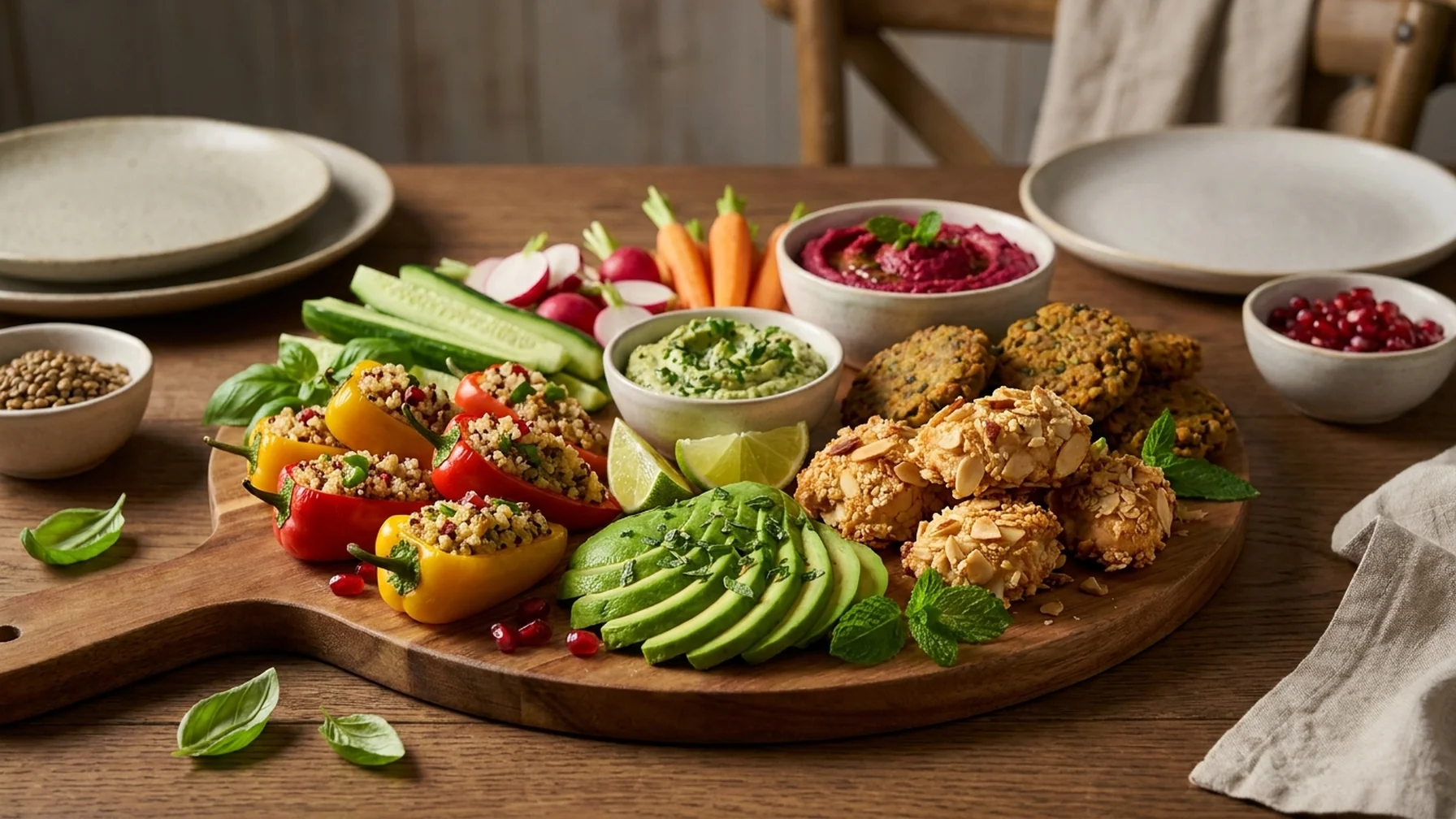
- Stuffed Bell Peppers: Fill mini bell peppers with a mixture of quinoa, black beans, and spices for a colorful dish.
- Caprese Skewers: Thread cherry tomatoes, mozzarella balls, and fresh basil onto skewers for a simple yet elegant appetizer.
- Shrimp Cocktail: Serve chilled shrimp with a homemade cocktail sauce for a classic gluten free starter.
- Zucchini Fritters: Grate zucchini, mix with eggs, and fry for a crispy treat.
- Avocado Salsa: Combine diced avocados, tomatoes, and onions for a refreshing dip.
These recipes are not only gluten free but also packed with flavor, sure to please any palate. Imagine serving a platter of these appetizers at your next gathering and watching them disappear in no time.
Preparing Delicious Gluten Free Appetizers
Preparing delicious gluten free appetizers can be simple and satisfying. Here are the essential steps to guide you in creating tasty options for your next gathering.
- Choose your base: Select gluten free ingredients such as vegetables, rice crackers, or gluten free bread.
- Pick your flavors: Incorporate herbs, spices, and gluten free sauces to enhance the taste of your appetizers.
- Assemble and serve: Combine the ingredients creatively and present them attractively to entice your guests.
By following these steps, you can easily create an array of gluten free appetizers that will delight both gluten free and gluten-eating guests alike.
The Gluten Free Diet: What It Means
A gluten free diet involves eliminating all forms of gluten from your meals. This means avoiding foods made with wheat, barley, and rye. The benefits of a gluten free diet go beyond just avoiding discomfort. Many find that it leads to improved digestion and increased energy levels. However, it's important to ensure you're getting enough nutrients, as some gluten-containing foods are rich in fiber and vitamins. For example, a person who switches to a gluten free diet may notice clearer skin and less fatigue, provided they maintain a balanced intake of essential nutrients through alternative sources.
Foods Naturally Free of Gluten
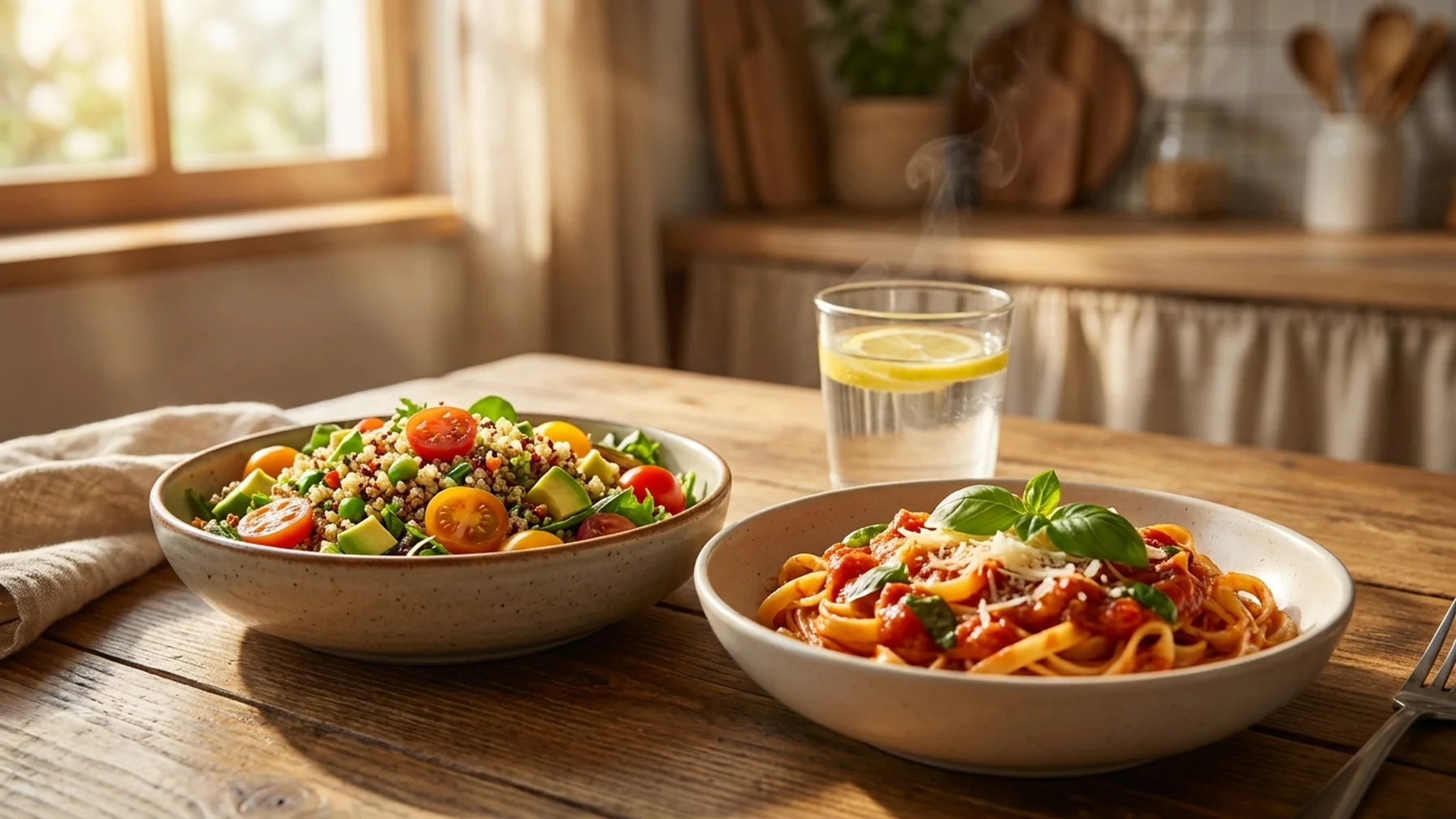
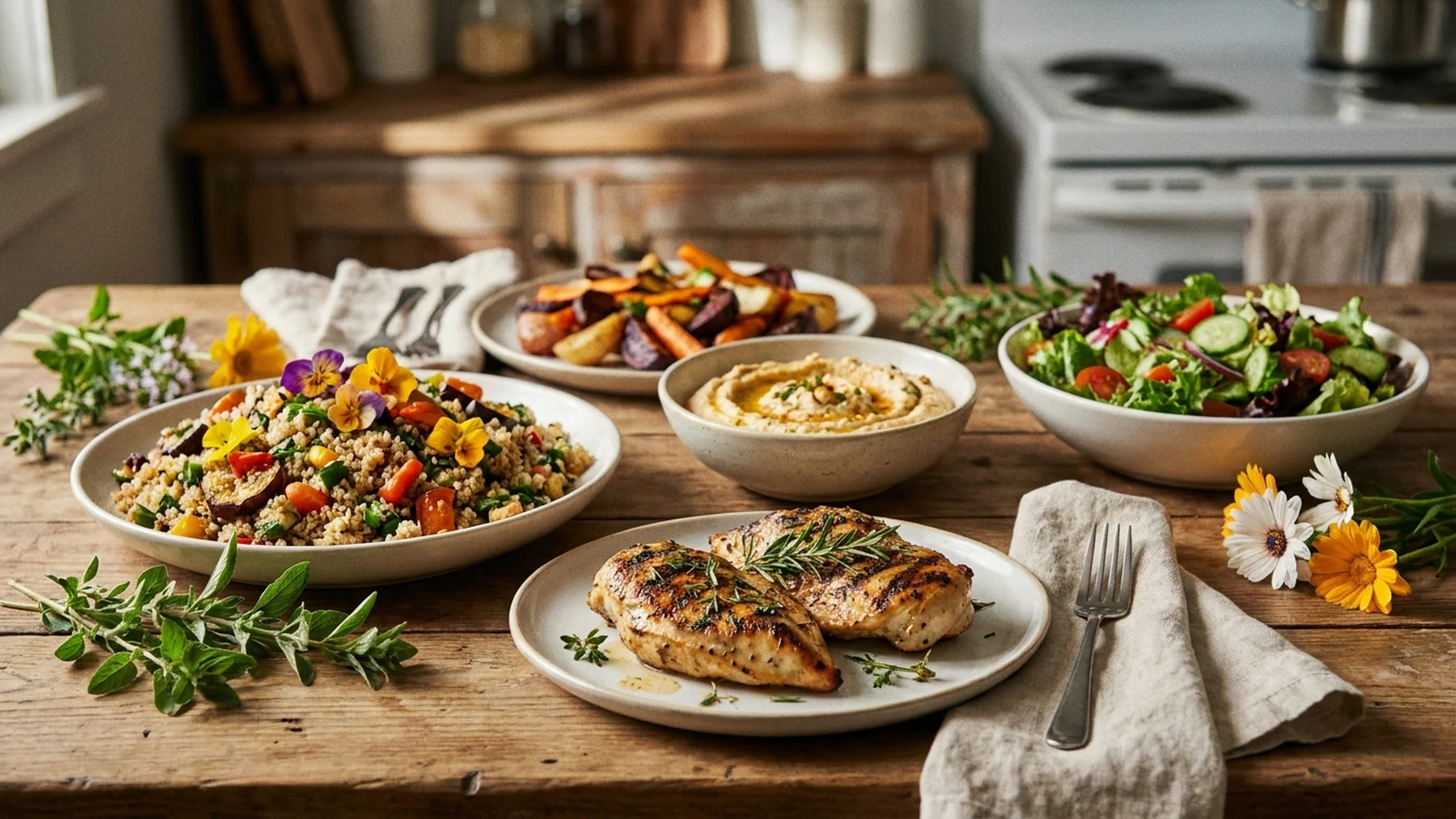
Many foods are naturally gluten free, making them excellent choices for appetizers. Fresh fruits, vegetables, and most meats are free from gluten. Additionally, grains like rice and quinoa do not contain gluten, offering a range of culinary possibilities. It's crucial to always check labels, as cross-contamination can occur during food processing. Imagine preparing a fruit platter with an array of colorful fruits, or a quinoa salad topped with fresh veggies—both are naturally gluten free and perfect for any occasion.
Navigating the Gluten Free Food Market
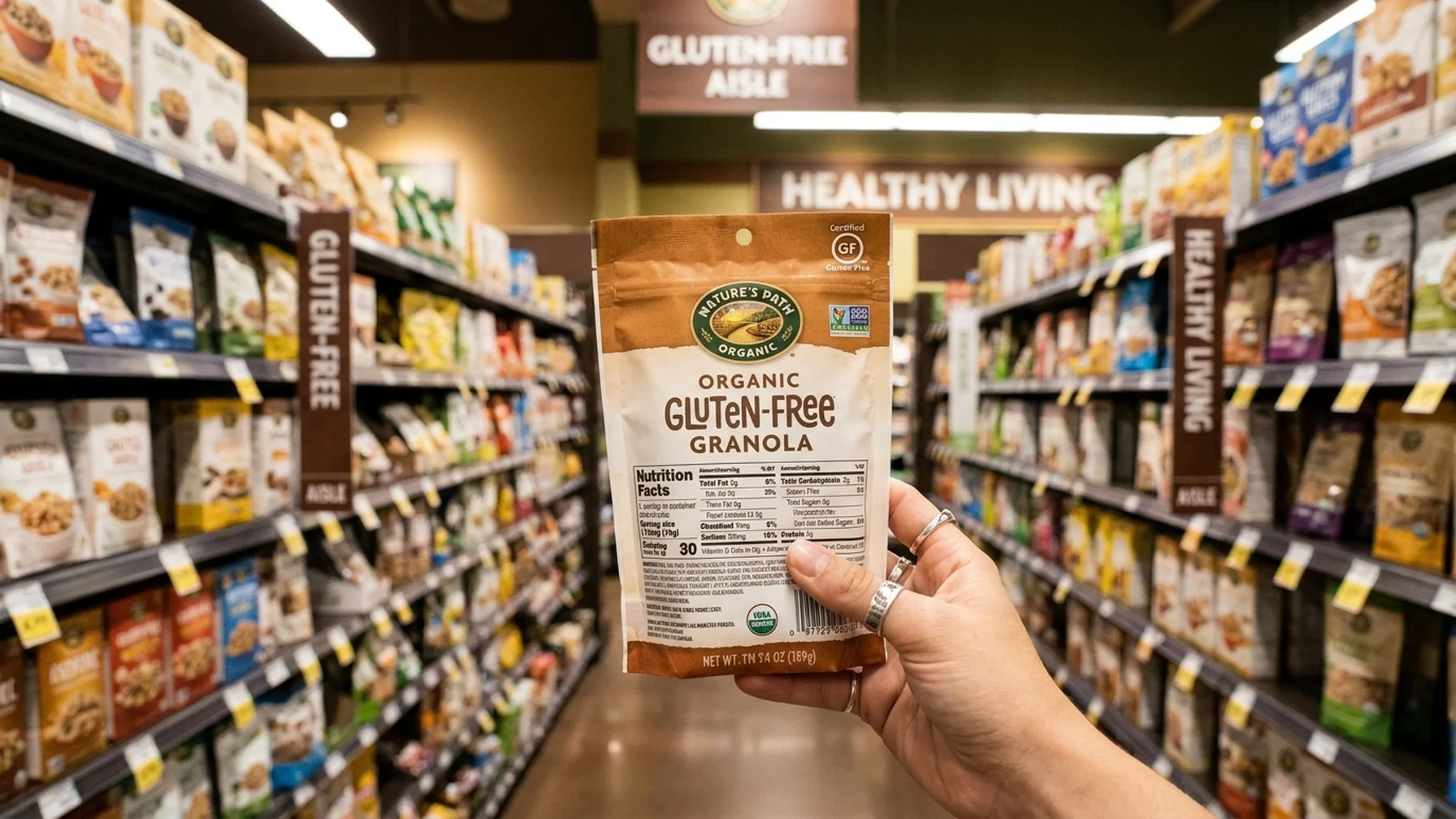
When planning gluten free appetizers, it's vital to know which foods to avoid. Traditional bread, pasta, and cereals often contain gluten. Likewise, many processed foods, sauces, and even some beverages can contain hidden gluten. Reading labels and opting for certified gluten free products can help maintain a strict gluten free diet. Consider a scenario where you're at a buffet and unsure about the ingredients in a dish; knowing common gluten-containing foods can help you make safer choices.
Is Gluten Free Healthy?
Many wonder if a gluten free diet is inherently healthy. While it can be beneficial for those with gluten intolerance, it's important to remember that gluten free doesn't automatically mean healthier. Some gluten free products are highly processed and may lack essential nutrients. Balance and variety are key, ensuring you're consuming a range of foods rich in vitamins and minerals. For instance, a diet focused solely on gluten free pasta and baked goods might miss out on the benefits of whole, nutrient-rich foods like fruits and vegetables.
Gluten Free Flour and Baking
Baking without gluten requires some adjustments. Gluten free flours like almond flour, coconut flour, and rice flour can be used as substitutes. Each type of flour has unique properties, so experimentation may be necessary to achieve the desired texture and taste. Gluten free baking can open up a world of new flavors and textures to explore. For example, using almond flour can add a nutty flavor to baked goods, while coconut flour can give a subtle sweetness and a denser texture.
Gluten Free Snacks and Desserts
For those seeking snacks or desserts, the gluten free world offers plenty of options. Gluten free bread and cookies are widely available, and many recipes can be adapted to exclude gluten. Oatmeal is often questioned for its gluten content; while oats are naturally gluten free, they can be contaminated during processing, so choosing oats labeled as gluten free is essential. Imagine enjoying a warm bowl of oatmeal made with certified gluten free oats, topped with fresh fruits and nuts, for a comforting breakfast or snack.
Benefits of a Gluten Free Lifestyle
Adopting a gluten free lifestyle can bring several benefits, particularly for those with gluten-related disorders. Beyond symptom relief, many report improved energy levels and better overall health. However, it's important for those without gluten sensitivity to consider whether a gluten free diet is necessary, as it may not offer additional benefits and could limit dietary diversity. A case study might involve someone who, after switching to a gluten free diet, notices a marked improvement in their digestive health and energy levels.
Key Factors for Choosing Gluten Free Products
When selecting gluten free products, it's essential to consider several factors to ensure you're making the best choices for your health and culinary needs. The table below highlights some key considerations.
| Factor | Importance |
|---|---|
| Certification | Look for certified gluten free labels to ensure safety. |
| Ingredients | Check for natural, whole ingredients for better nutrition. |
| Processing | Avoid cross-contaminated products by choosing trusted brands. |
These factors can help guide your choices, ensuring that your gluten free diet is both safe and nutritious.