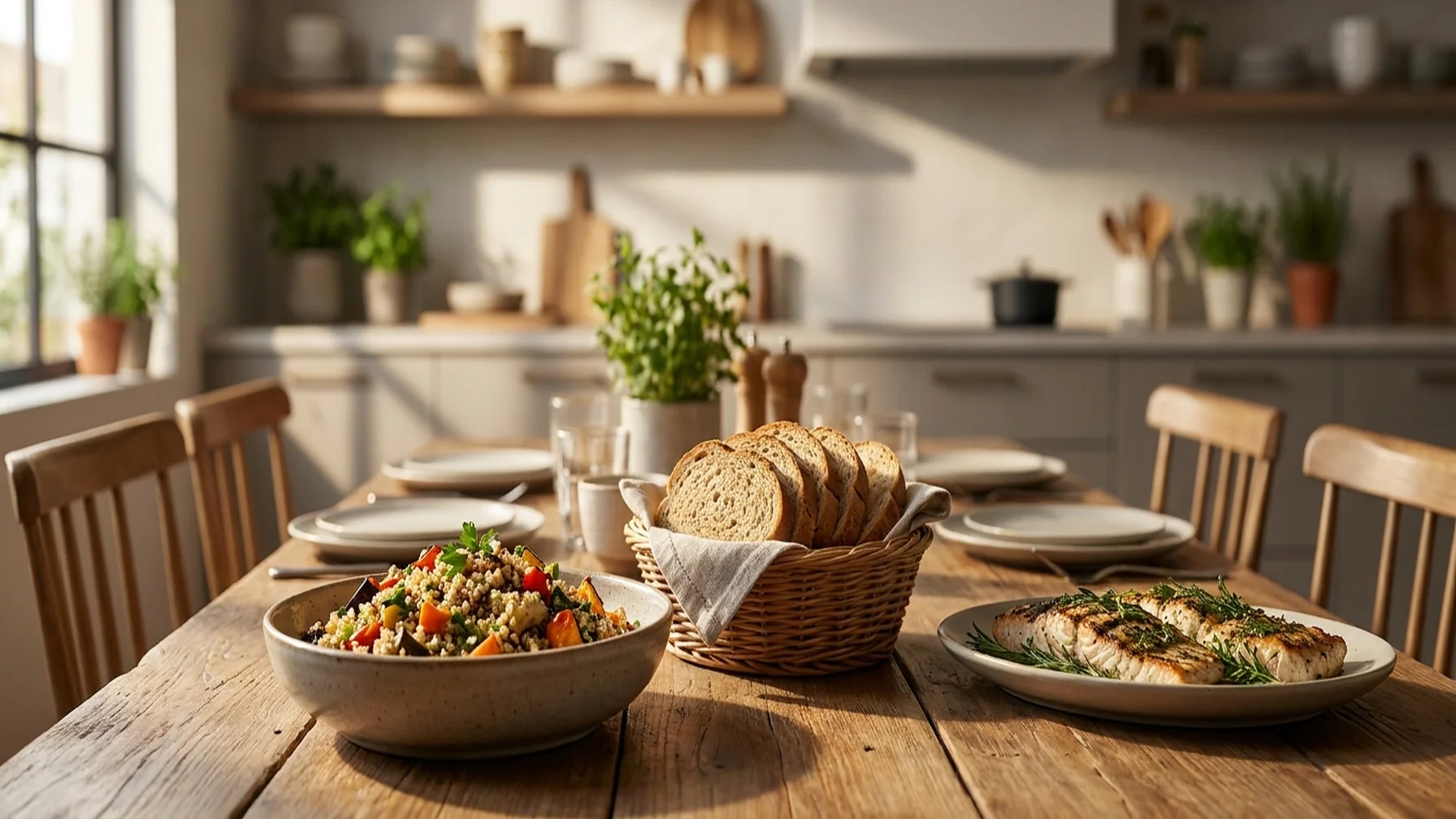
Comprehensive Gluten-Free Grains List for a Healthy Diet.
Article Structure
For individuals following a gluten-free diet, knowing which grains are safe to consume is crucial. Gluten, a protein found in wheat, barley, and rye, can cause adverse reactions in those with gluten intolerance or celiac disease. This article provides a thorough gluten-free grains list and explores the benefits of including these grains in your diet.
What Does Gluten-Free Mean?
A gluten-free diet involves excluding all foods that contain gluten. This is essential for individuals with gluten sensitivity or celiac disease, as gluten can cause symptoms such as bloating, headaches, and fatigue. Fortunately, several grains are naturally gluten-free, offering nutritious alternatives.
Key Gluten-Free Grains
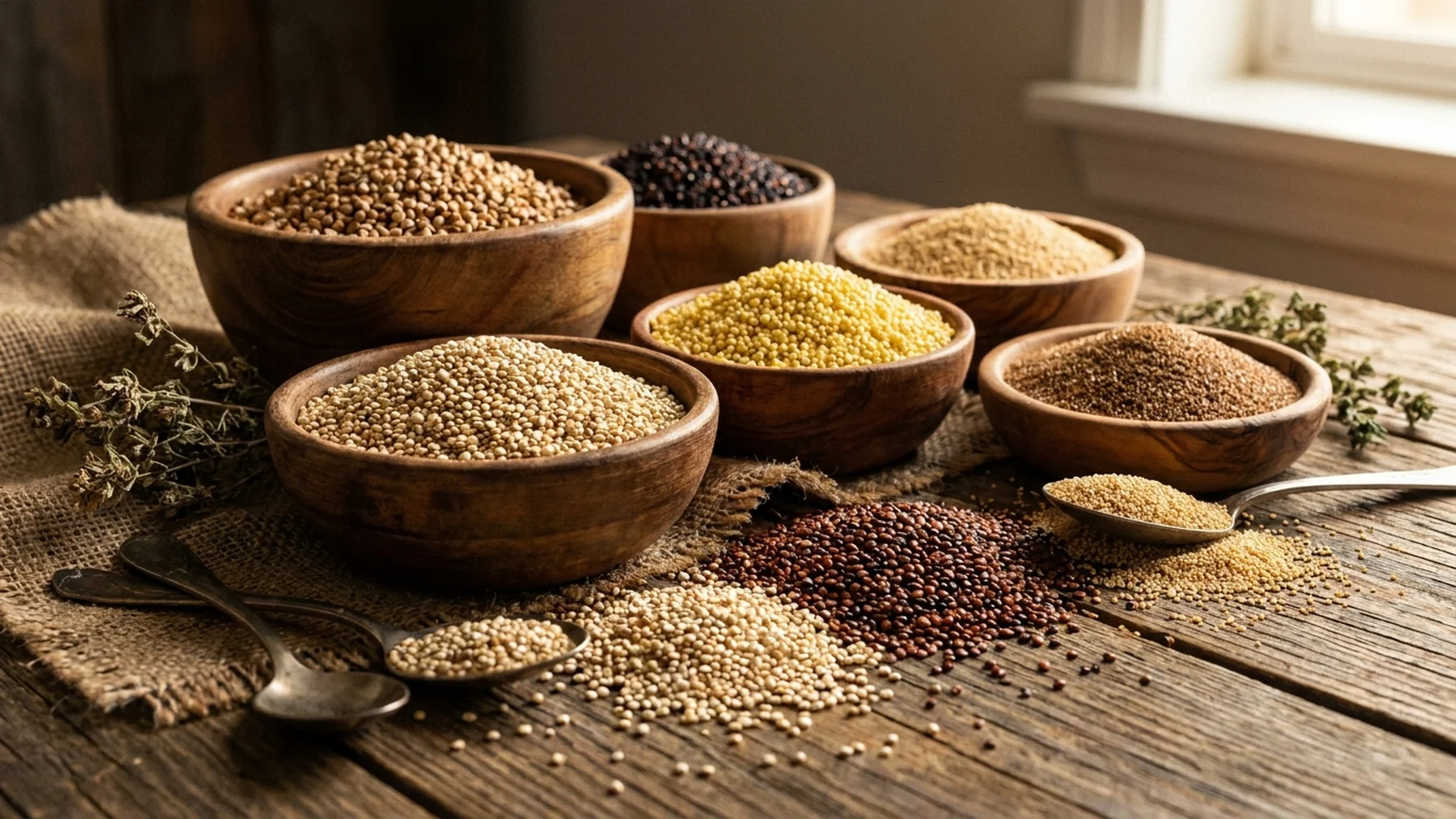
Understanding which grains are naturally gluten-free can expand your culinary options. Here is a detailed list:
- Rice: A staple grain that is naturally gluten-free and versatile in many dishes.
- Quinoa: Known for its high protein content, quinoa is a great addition to salads and side dishes.
- Corn: Often used in the form of cornmeal or polenta, corn is a popular gluten-free grain.
- Millet: This easily digestible grain is small-seeded and gluten-free.
- Sorghum: Frequently used in baking, sorghum offers a mild flavor.
- Buckwheat: Despite its name, buckwheat is gluten-free and packed with nutrients.
- Amaranth: High in protein and micronutrients, amaranth is a nutritious choice.
- Teff: A small grain with a nutty flavor, rich in iron and calcium.
Incorporating these grains can help maintain a balanced diet while avoiding gluten. Try different recipes to enjoy their unique flavors and nutritional benefits.
Understanding Gluten Intolerance
Gluten intolerance, or non-celiac gluten sensitivity, includes symptoms like bloating, fatigue, and headaches after gluten consumption. Celiac disease, however, is an autoimmune disorder where gluten damages the small intestine. Both require a gluten-free diet for health improvement.
Micro-Examples of Gluten-Free Grains in Meals
Incorporate gluten-free grains into meals for variety and nutrition:
- Breakfast: Quinoa porridge or gluten-free pancakes.
- Lunch: Millet salad with fresh vegetables.
- Dinner: Buckwheat stir-fry with protein and veggies.
- Snacks: Popcorn or homemade rice cakes.
- Desserts: Sorghum flour brownies or teff cookies.
These ideas can help maintain a varied and balanced gluten-free diet.
Is Oatmeal Gluten-Free?
While oats are naturally gluten-free, they are often processed in facilities that handle gluten-containing grains, leading to cross-contamination. Look for oats labeled "gluten-free" to ensure safety. Oatmeal is a hearty breakfast option with numerous health benefits.
Benefits of a Gluten-Free Diet
Adopting a gluten-free diet can offer several advantages, particularly for those with gluten sensitivities. Benefits include reduced digestive discomfort, increased energy levels, and better nutrient absorption. Some people also find it aids in weight management and overall health.
Steps to Incorporate Gluten-Free Grains
If you're new to gluten-free eating, follow these steps to integrate these grains into your diet:
- Start with familiar grains like rice and corn to ease the transition.
- Experiment with quinoa in salads and as a side dish for protein boost.
- Incorporate millet and amaranth for variety in dishes.
- Try sorghum and teff in baking for unique flavors.
These steps help diversify your meals while maintaining a gluten-free diet.
Gluten-Free Snacks and Bread Alternatives
Finding tasty gluten-free snacks and bread is now easier than ever. Many brands offer gluten-free versions of popular snacks, often made from grains like sorghum or rice. For bread, consider making your own using gluten-free flours such as almond, coconut, or brown rice flour.
Is a Gluten-Free Diet Healthy for Everyone?
While essential for those with gluten-related disorders, a gluten-free diet is not necessarily healthier for everyone. Some gluten-free products can be high in sugar and fats. Focus on whole foods and balanced meals. Consulting with a healthcare professional can offer personalized dietary advice.
By understanding gluten-free grains and incorporating them into your diet, you can enjoy diverse and nutritious meals without compromising health. Explore gluten-free eating and discover new flavors and textures.